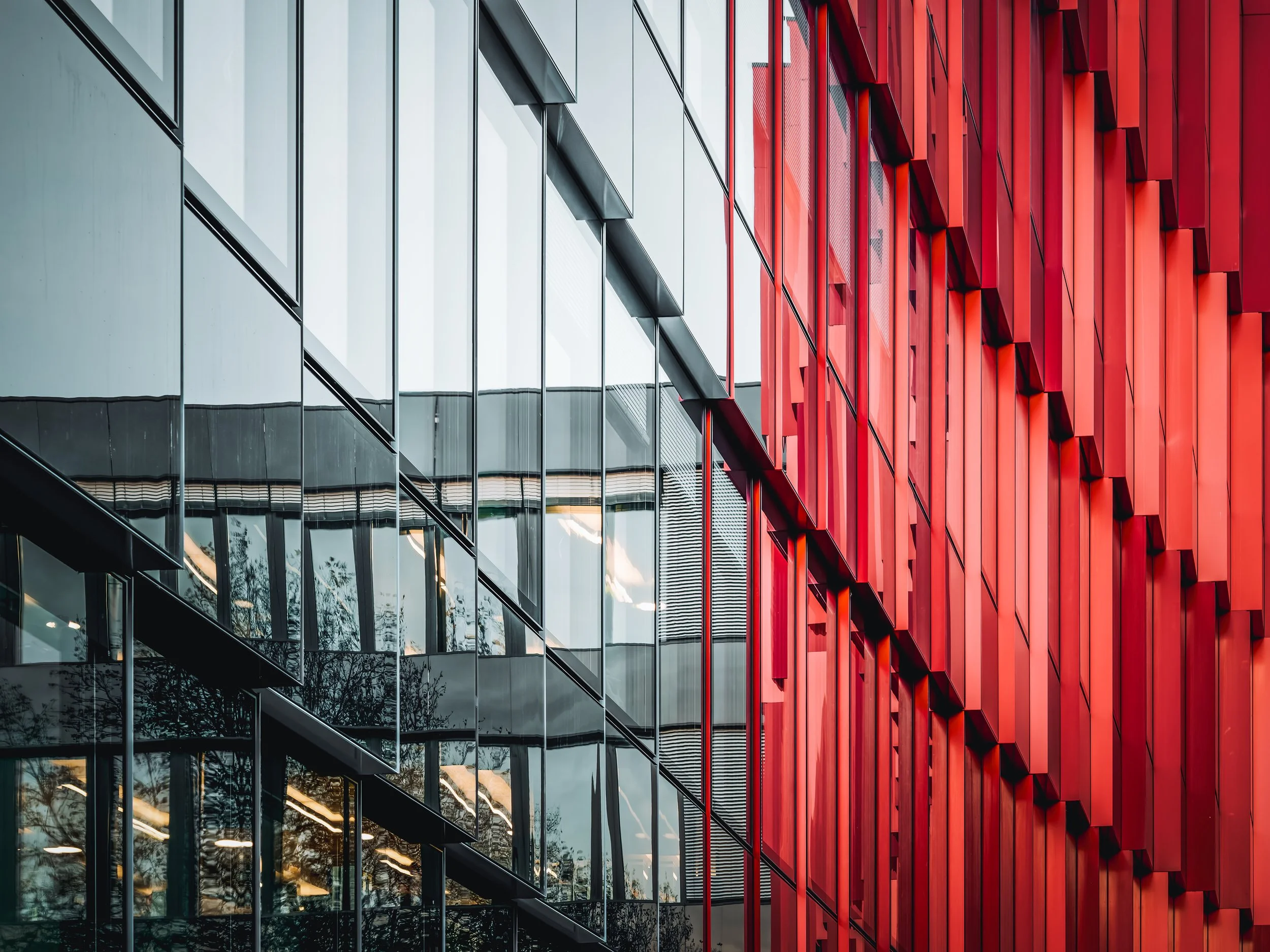
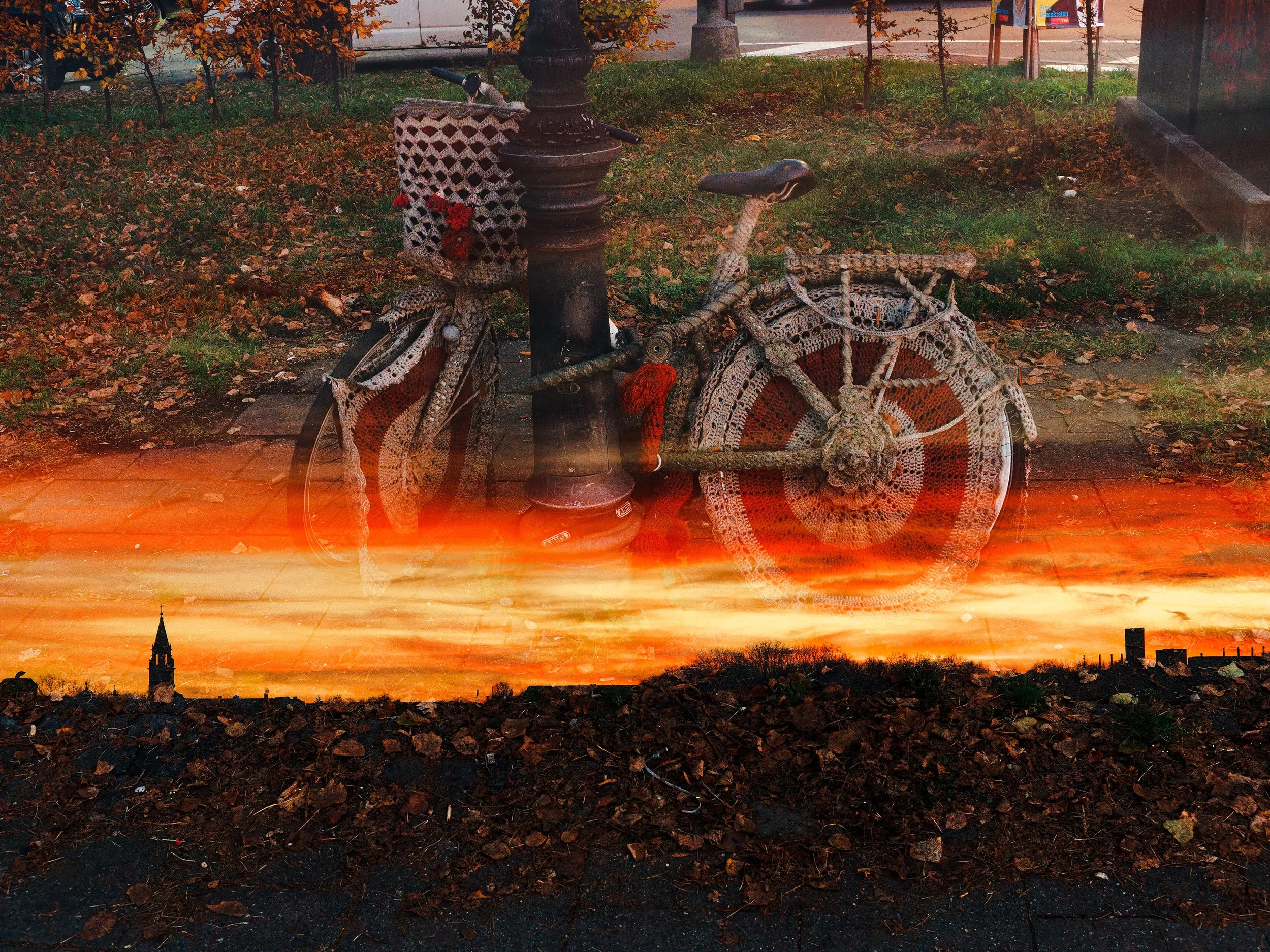
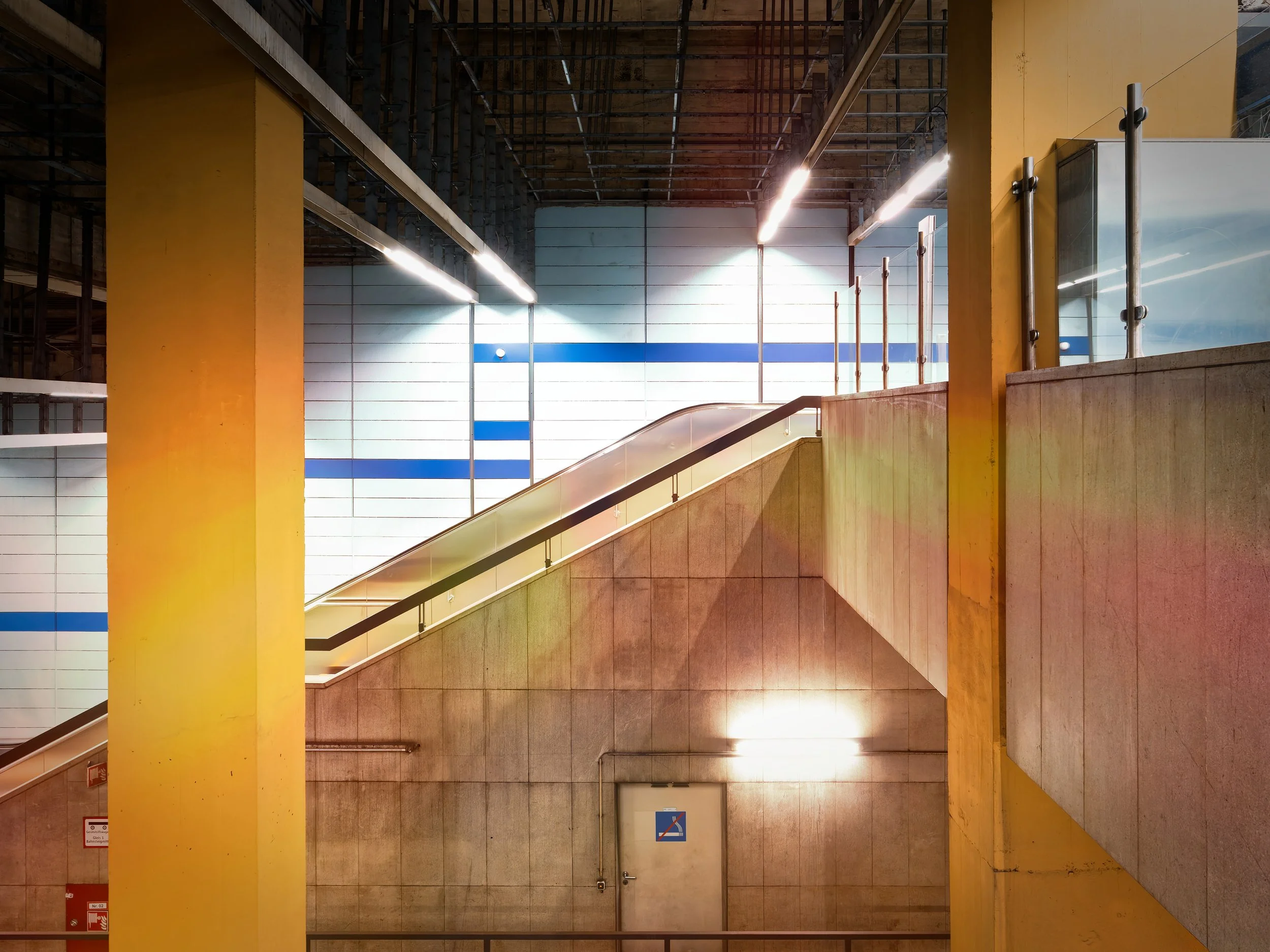
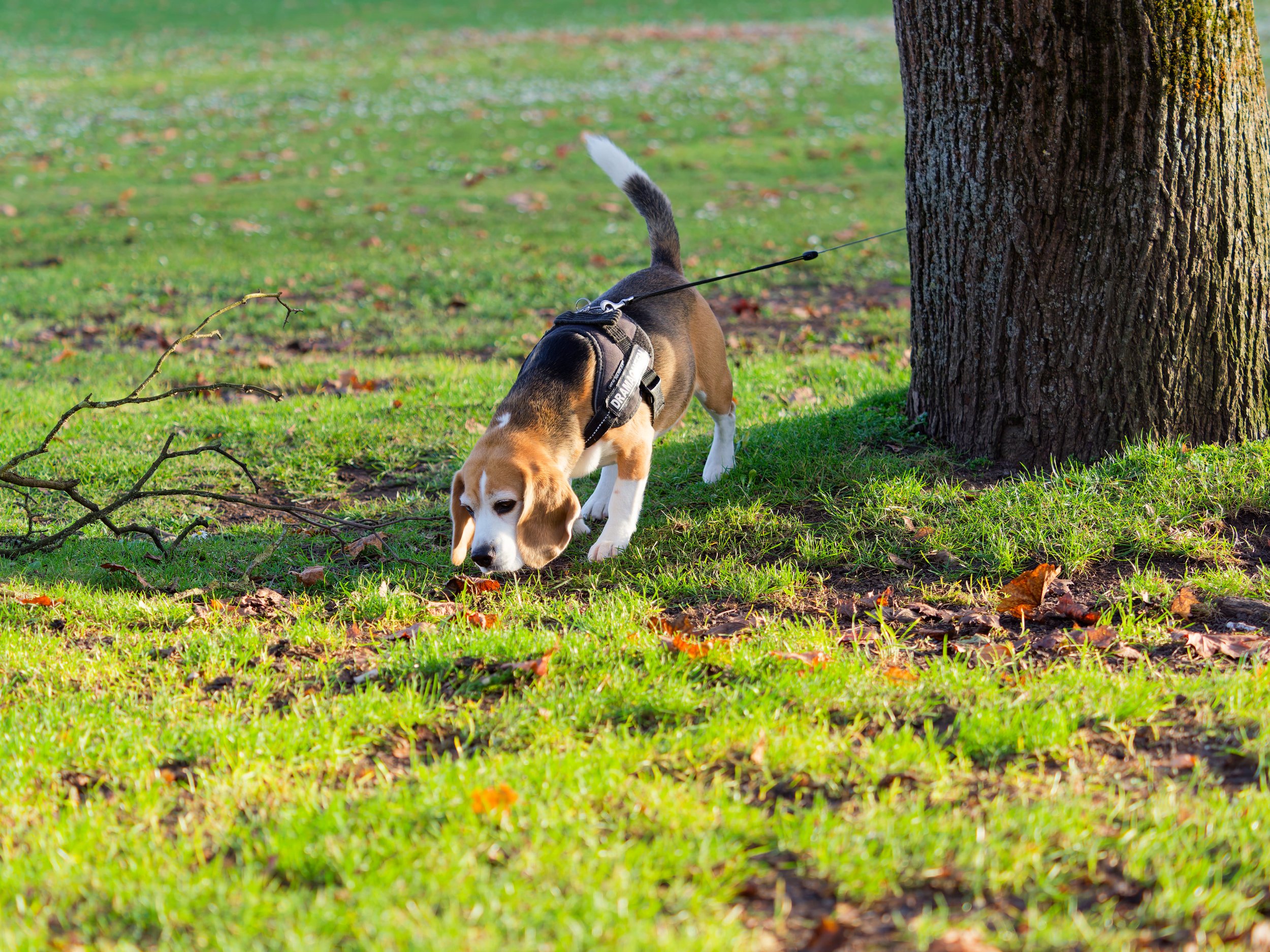
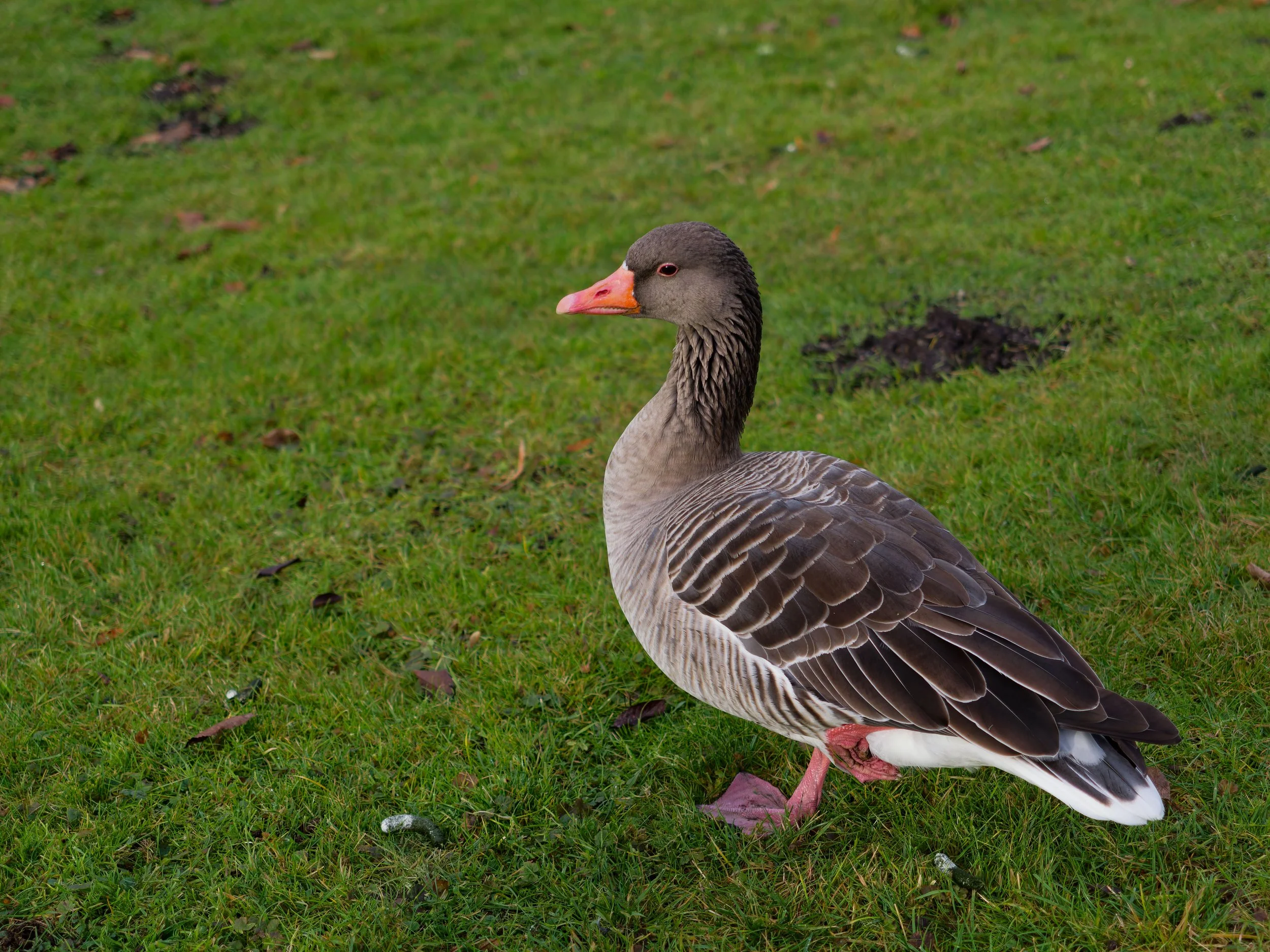
OM System OM-3
OM-3: Three Weeks Living with the Most Liberating Camera I’ve Ever Held
Long-term test, no sponsor, no charts, no bullshit
Three weeks is both an eternity and nowhere near enough to fully explore a body as feature-packed as the OM-3. I took it out almost every day in Munich—under that fine Bavarian drizzle, on the U-Bahn, in parks, at night, in broad daylight, with just two lenses, sometimes in downright hostile conditions. But I’m miles away from having exhausted everything. 120 fps burst on swifts diving, focus stacking on insects, Live Composite under the Milky Way… that’ll be for next time. What you’re getting here is the real-life experience of a semi-pro shooter who photographs for fun and for work, sorts his cards at night, retouches, prints A3s and sometimes exhibits. No lab, no graphs, no “I counted the dead pixels.” Just real-world use.
And to be crystal clear: OM System didn’t pay me, didn’t proofread, didn’t even buy me a single pretzel. Everything that follows comes straight from my head, my RAW files, and my shoulders (which say thank you).
From the E-10 that changed everything to today’s OM-3
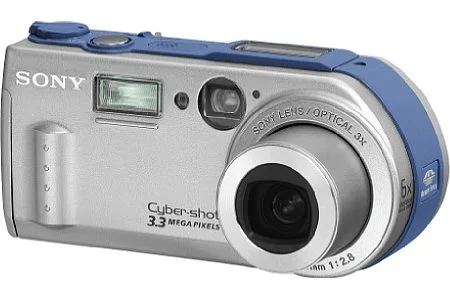
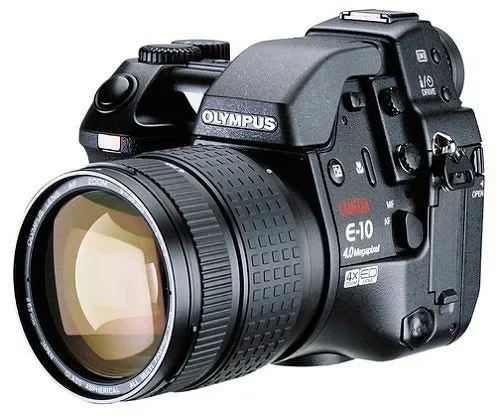
My very first digital camera was a tiny Sony DSC-P1 with 3.3 megapixels in 2001. It slipped into my jeans pocket and I felt like a war correspondent. Cute, but short-lived. The real thunderbolt came a few months later with the Olympus E-10—that chunky prosumer bridge from late 2000 with its 4/3" 4 Mpx sensor, fixed 35-140 mm f/2.0-2.4 zoom, one-kilo magnesium body, 1.8" articulating LCD and clever pop-up flash. It blew my mind. I still remember the exact moment I picked it up in a shop on Neuhauser Straße: the grip filled my palm perfectly, the weight felt serious but not crushing, the optical viewfinder was bright, and the mirror slap finally made me feel like I was holding a “real” camera. I knew right then: I was done for. I was going to become a photo obsessive.
I kept it for years, then sold it to go Canon DSLR. But the E-10 remains the spark. Without it I’d never have stacked Photo magazines, never lost nights figuring out CCD vs CMOS, never ended up investing in medium format fifteen years later.
When, in early 2025, OM System offered me the OM-3 with the two f/2.8 PRO zooms to test, a little Proustian madeleine popped up. I hadn’t touched an Olympus body in over twenty years. And like many, I had two big prejudices against Micro Four Thirds:
“It must be unusable as soon as light drops a bit.”
“With f/2.8 you get full-frame f/5.6 bokeh, you can’t isolate anything.”
I’ve been shooting almost exclusively Fujifilm GFX 100 Mpx medium format for over two years. My standards for dynamic range, detail and rendering are… let’s say slightly warped. So I was dying to see whether those prejudices would be shattered or confirmed.
Design and ergonomics: retro charm and its little sacrifices
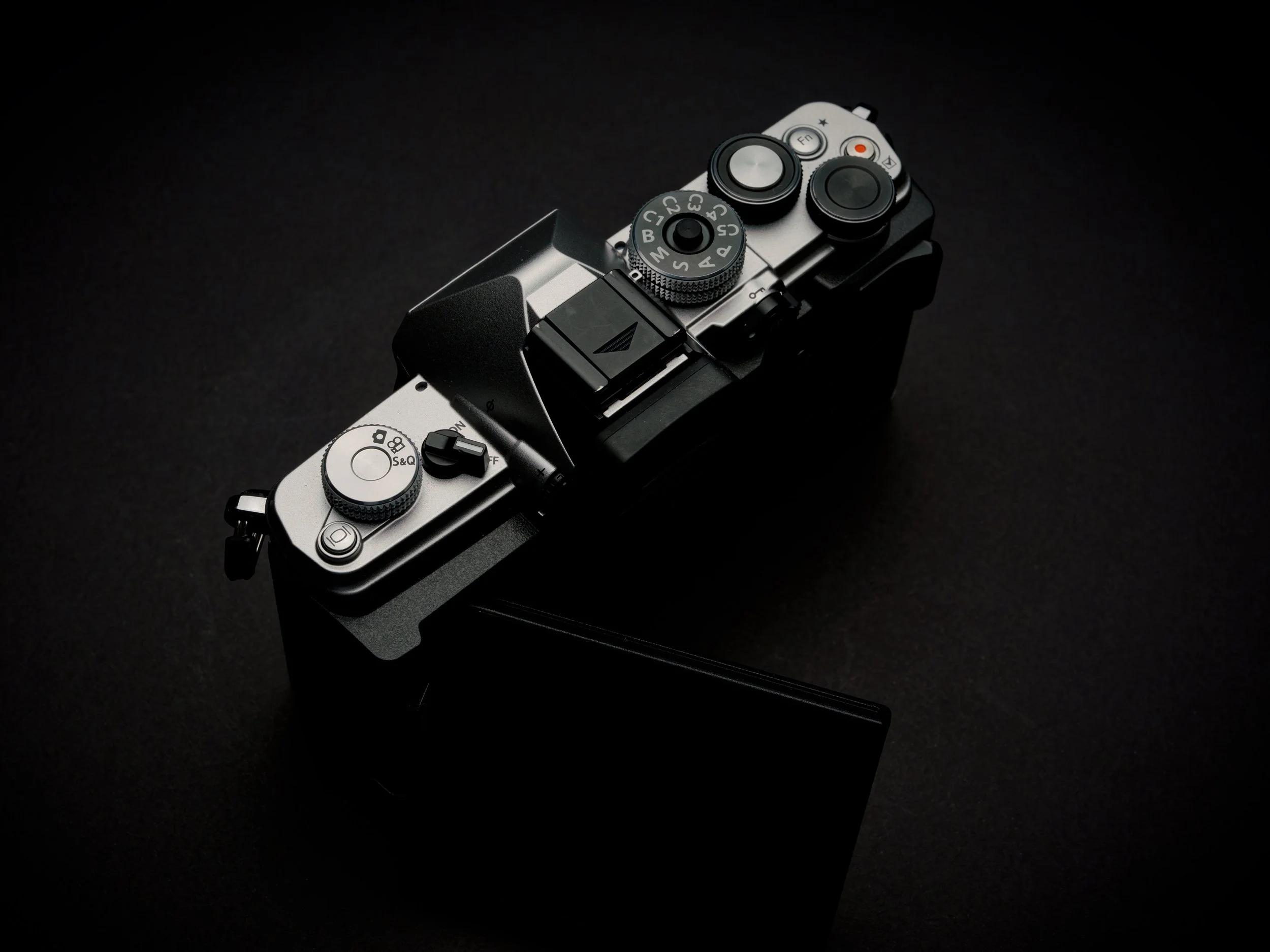
Put the OM-3 next to a film OM-1 and the lineage is instant. Brushed aluminium top plate, prominent viewfinder hump, straight lines, no chunky grip: it’s beautiful, classy, just retro enough. But beauty comes at a price.
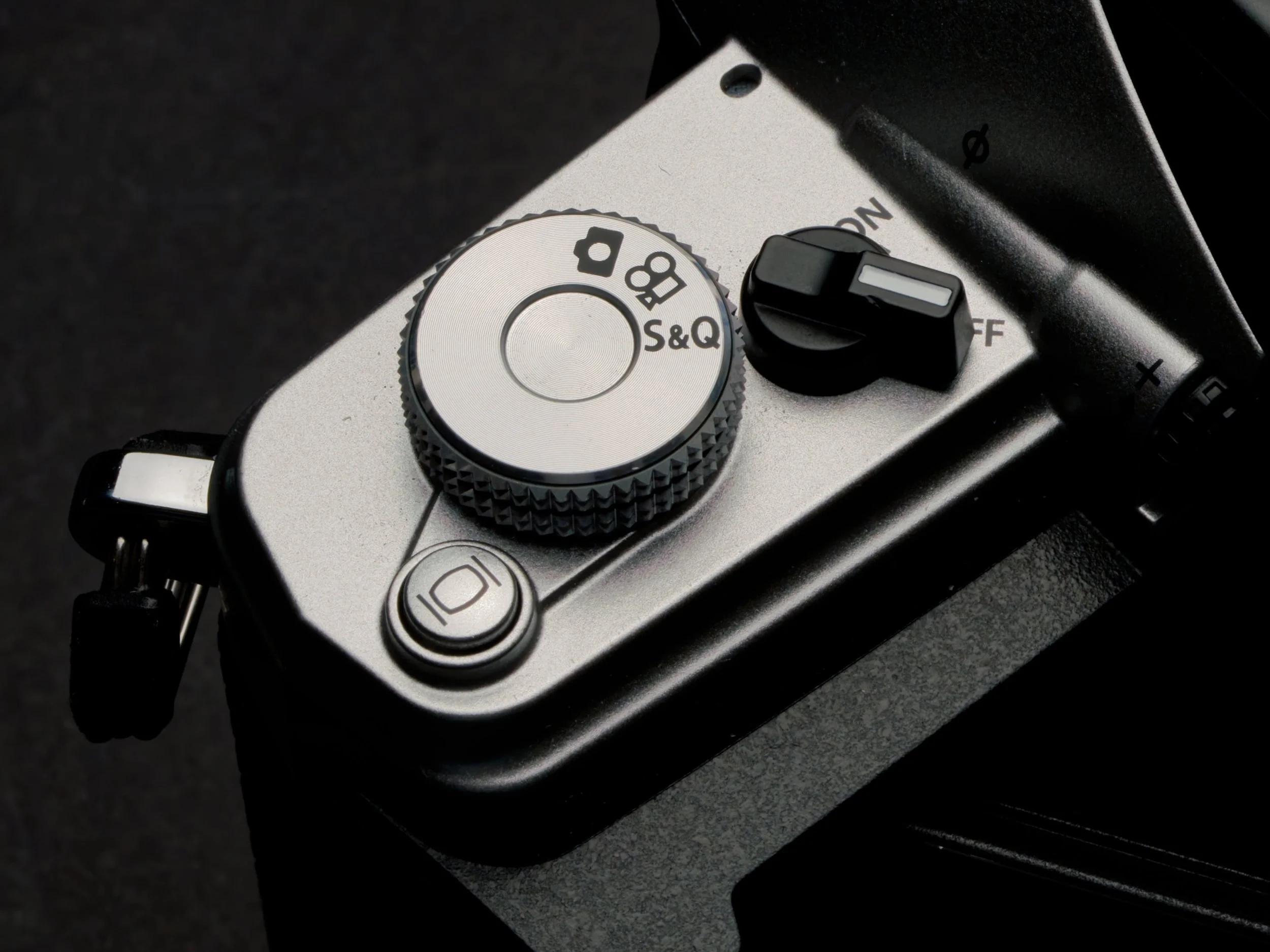
My biggest gripe is still the power switch on the left, as a collar around the left shutter button (yes, left). For fifteen years every camera I owned turned on with my right index finger without leaving the viewfinder. Here you have to let go of the grip, twist your left hand into the tiny gap between dials and the hump. With winter gloves it’s torture. I ended up developing a weird two-handed camcorder grip to switch it on. Clearly an aesthetic choice to keep the retro symmetry, but in heavy use it’s the only real flaw that made me curse several times a day.
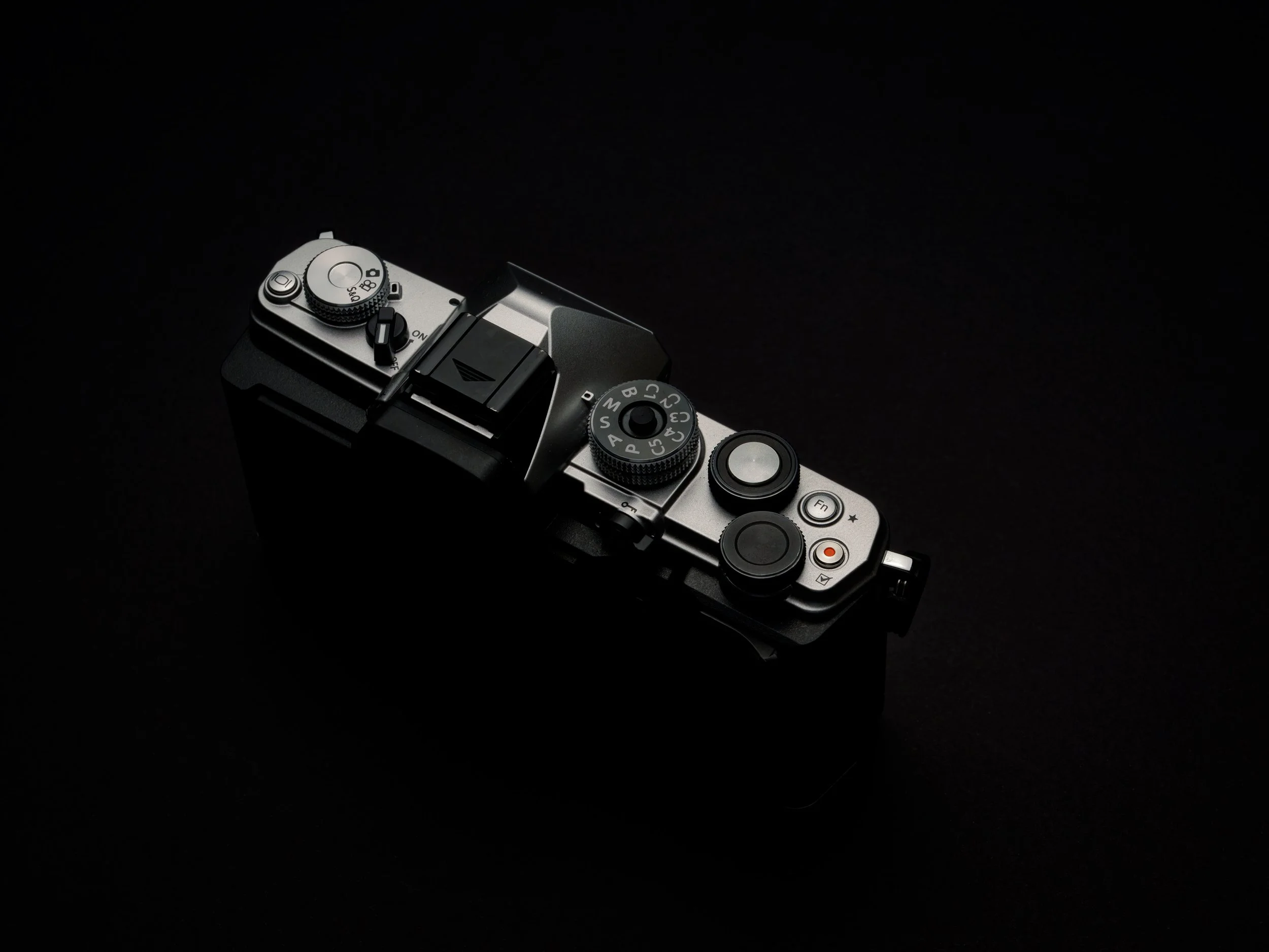
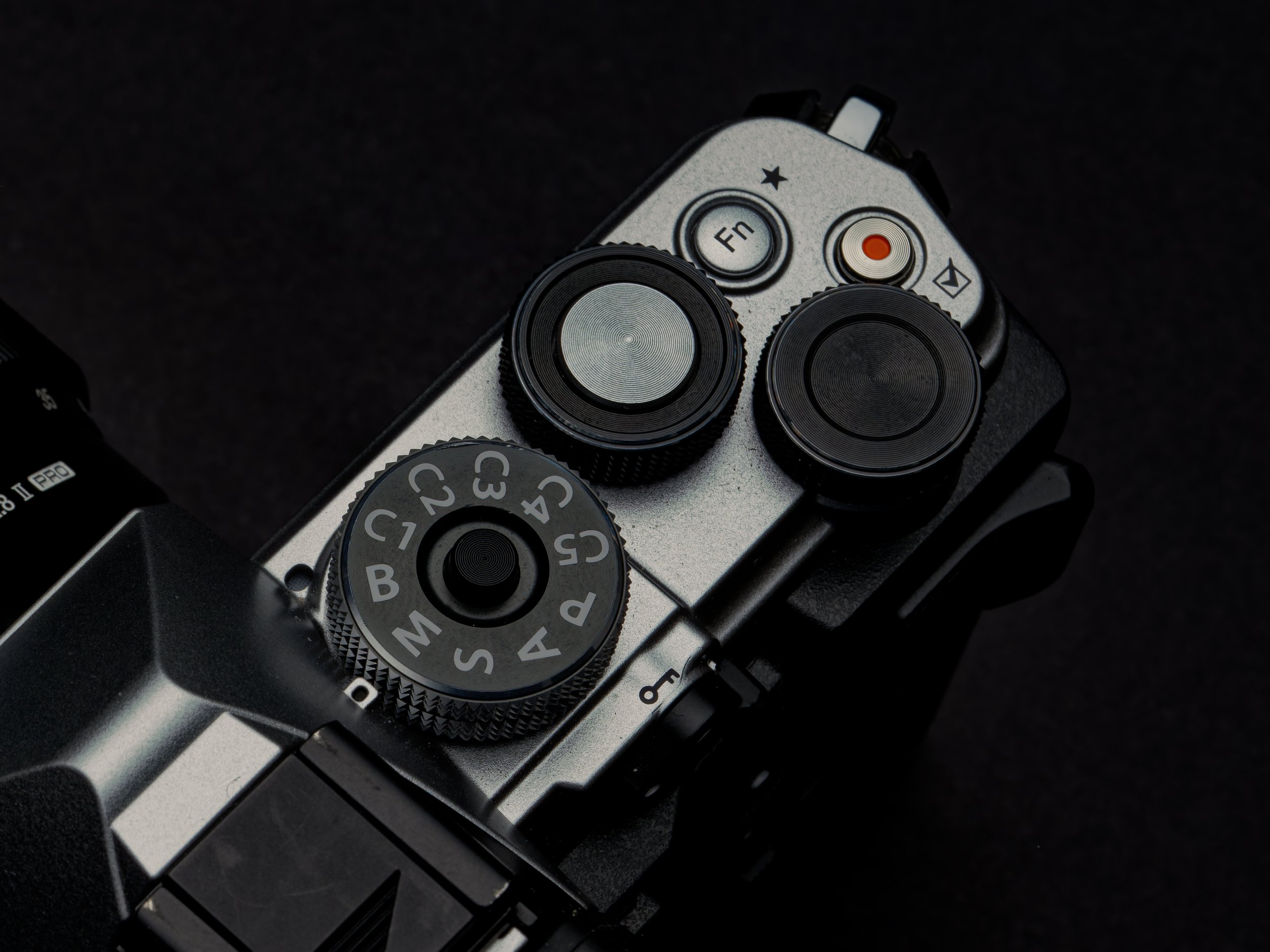
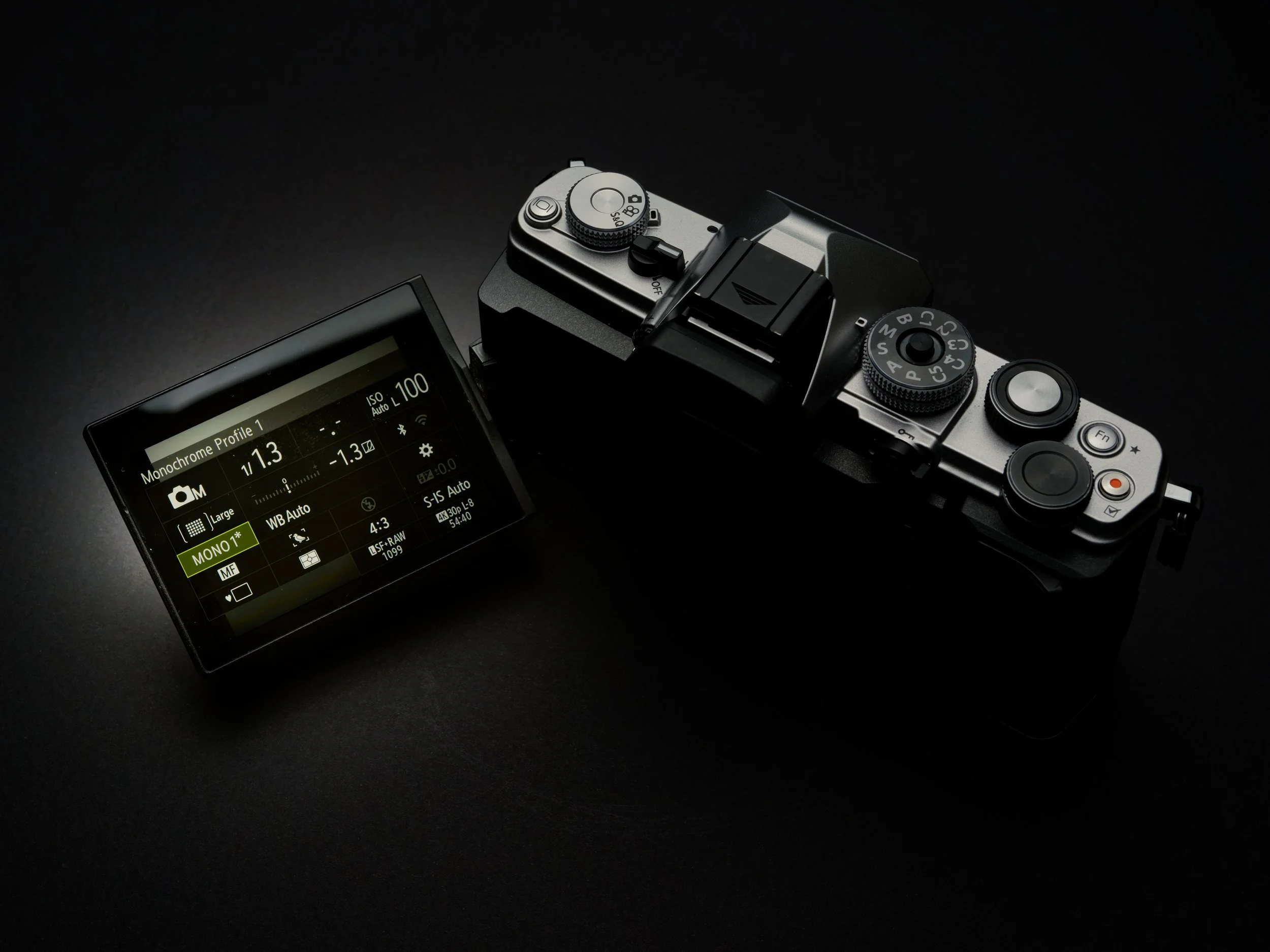
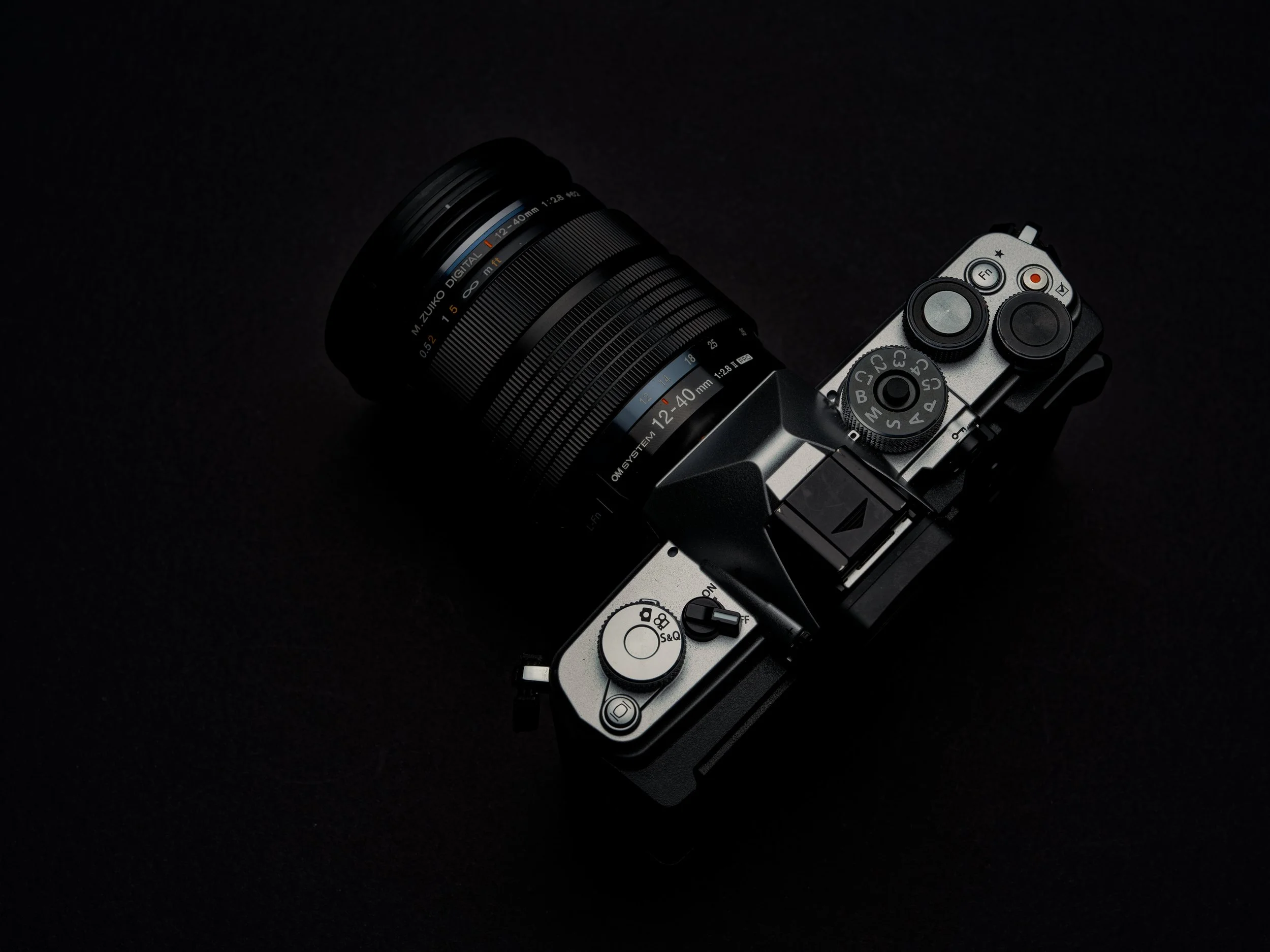
The rest of the top plate is brilliantly laid out. Shutter button surrounded by the front dial (immediately assigned to aperture), rear dial for exposure comp, two Fn buttons right under the index finger (ISO and white balance for me), clicky lockable PASM dial with centre press, Photo/Video/S&Q switch that instantly jumps to 120 fps 4K slow-mo or timelapse. Everything falls under the fingers without looking.
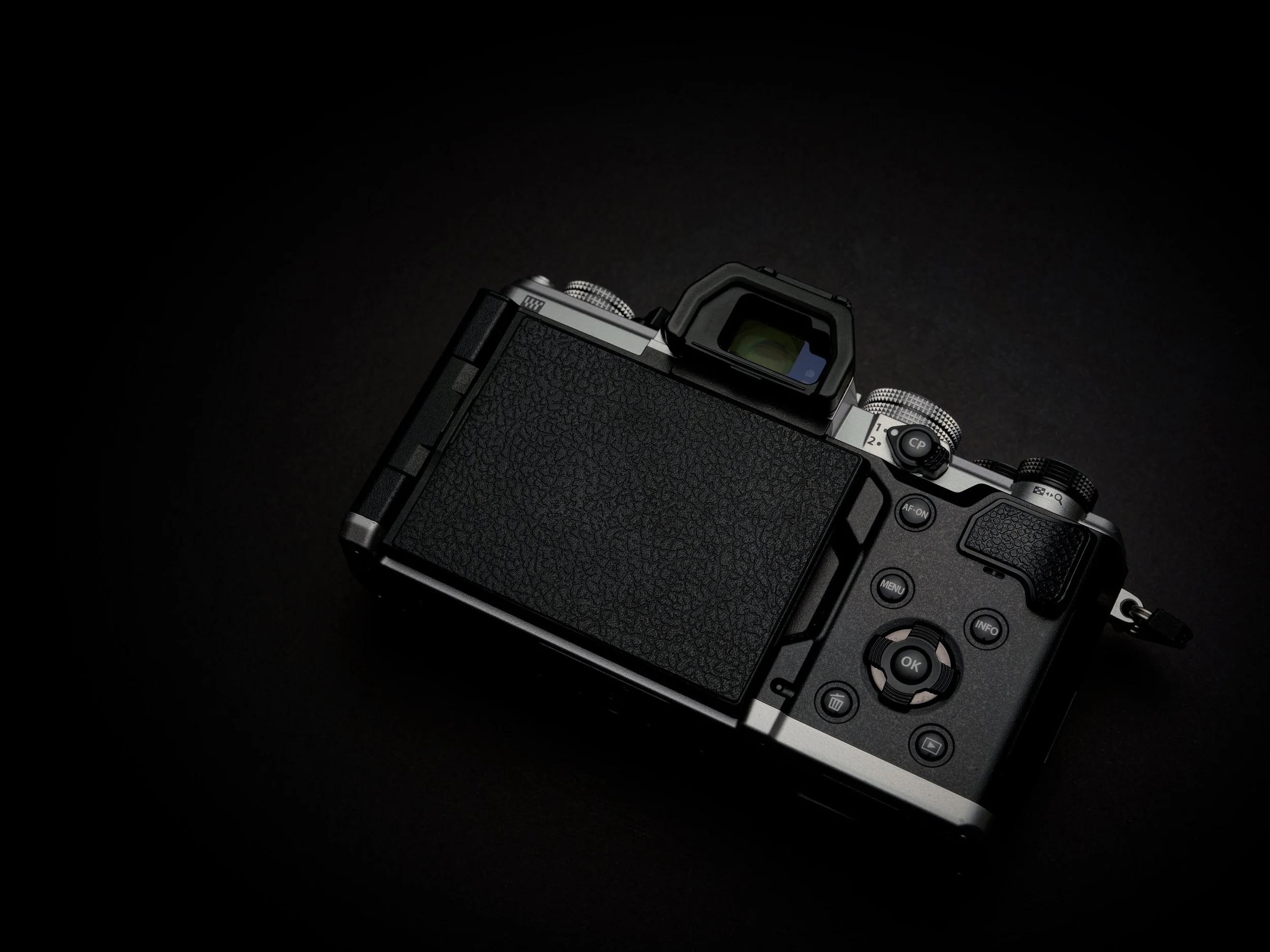
The 2.34 million dot OLED viewfinder looks poor on paper compared to the 5.76 million of the OM-1 Mark II or 9 million of some Fuji/Leica. In real life the gap is far less dramatic. 120 Hz refresh in high-performance mode, 0.83× magnification, 19 mm eye relief (perfect for glasses), zero lag even at 50 fps AF-C, no rainbow tearing, excellent sunlight readability. Only in very contrasty scenes do the deep shadows lack a bit of micro-contrast and look slightly crushed. But for a 500 g body meant to be carried everywhere, I’ll happily take that compromise.
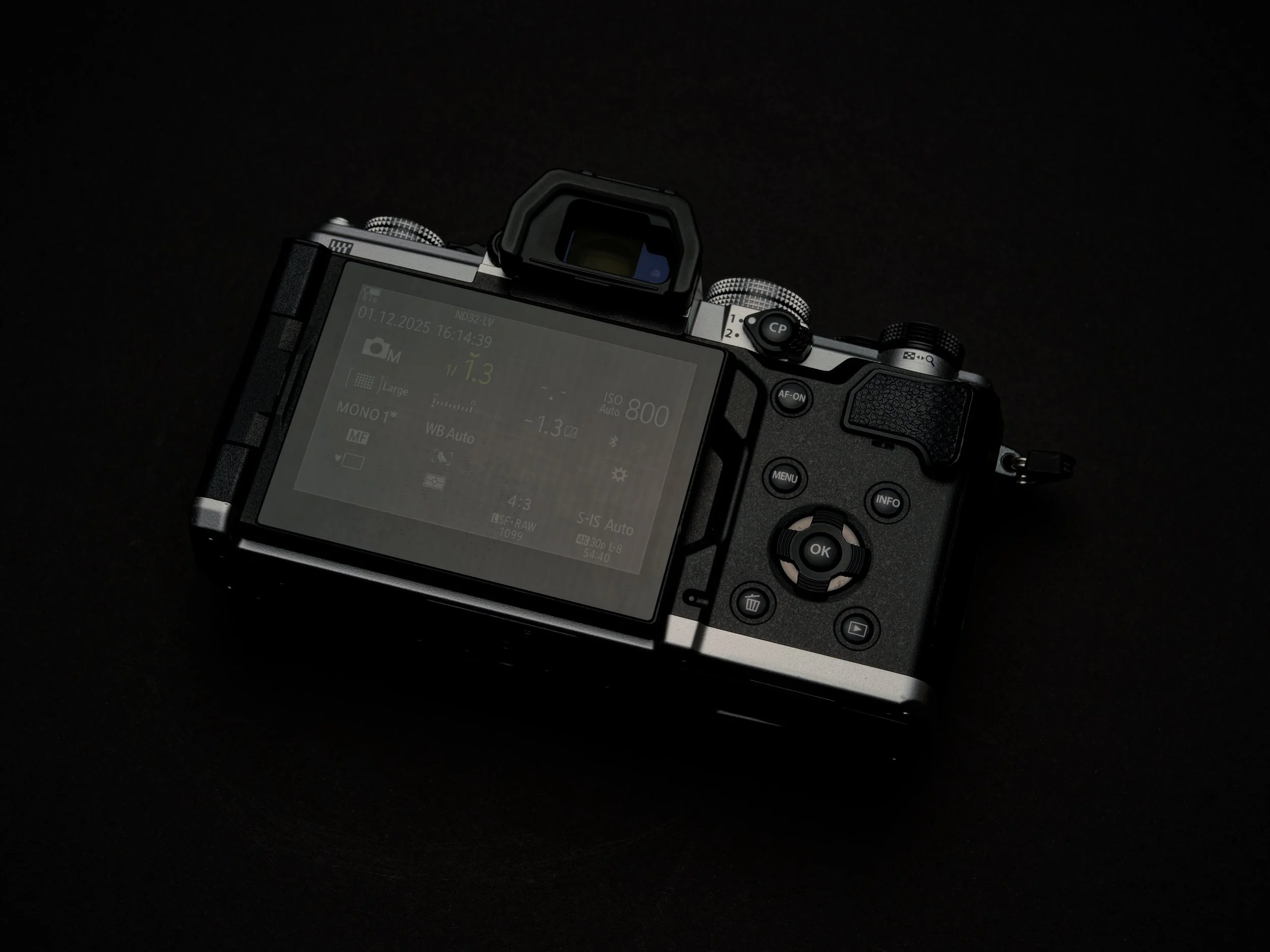
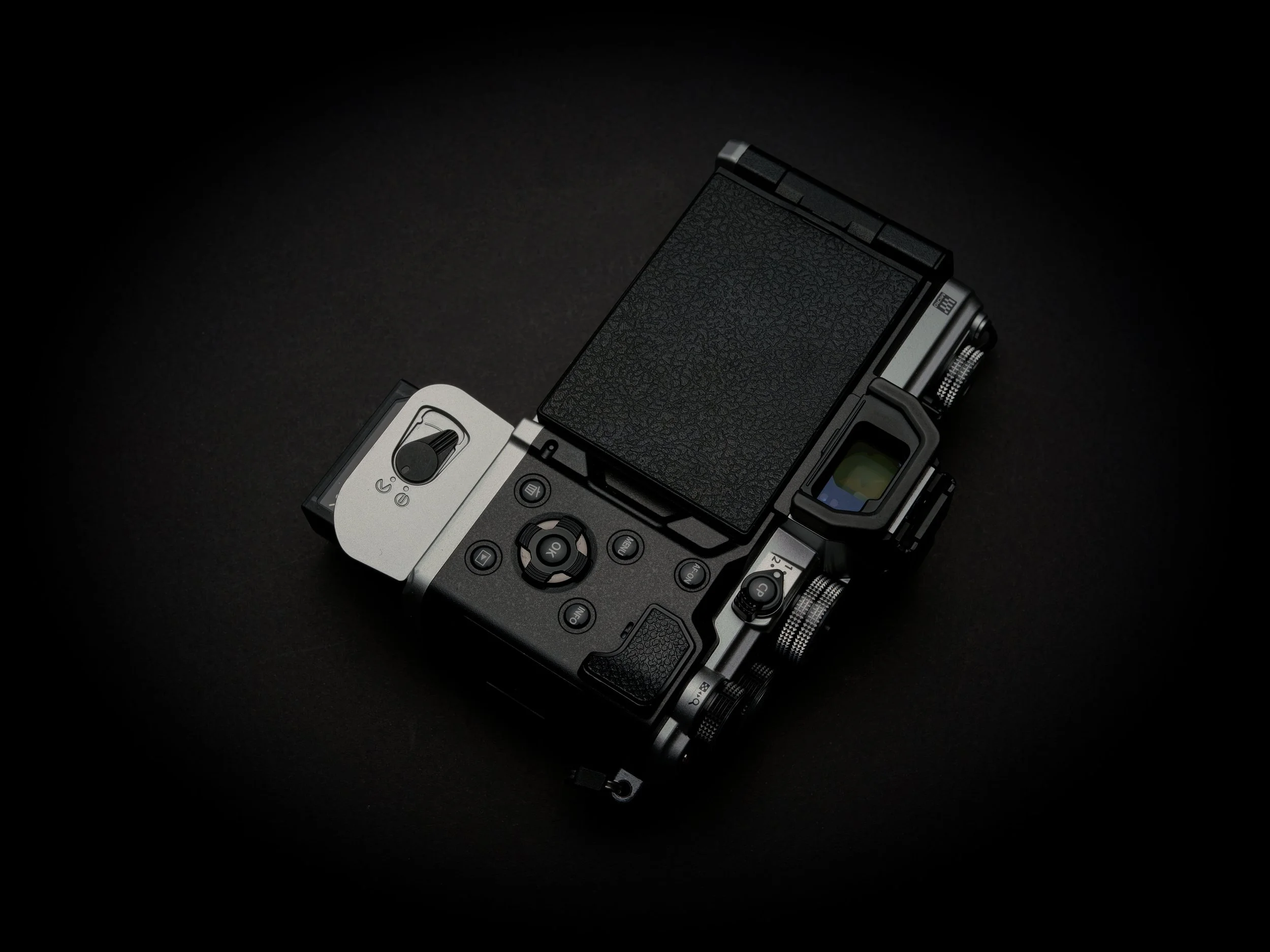
On the back, the 3-inch side-articulated screen is a joy: bright even in direct sun, hyper-responsive touch (drag the AF point, tap to shoot, pinch to zoom in playback), folds inward to protect from scratches. No joystick, but the directional pad and especially the touch make up for it. I just wish I could assign the OK button to instant AF point centre reset—it opens the Super Control Panel instead, which is accessible elsewhere. That little detail cost me a few seconds in street photography when I moved the point too far.
The real stroke of genius is the CP lever to the right of the viewfinder. Flip it + front dial and you instantly access simulated ND filters, 50/80 Mpx High Res mode, Focus Stacking, Live GND, Live Composite, etc. One of the best interface ideas I’ve seen in years. More on that later.
Weight and balance: when 1.5 kg changes your life
Body only: 500 g
With 12-40 mm f/2.8 PRO II: 882 g
With 40-150 mm f/2.8 PRO: 1 260 g
Full two-zoom kit + body + batteries + cards: under 1.8 kg
Do the same math in full-frame: pro body + 24-70/2.8 + 70-200/2.8 = easily 3.2 kg, often 3.5 kg. The difference isn’t just numbers, it’s physical. I spent an entire day walking from Sendlinger Tor to the Olympiapark with both lenses slung over my shoulder. My neck was perfectly fine that evening. This lightness fundamentally changes how you shoot: you take it out more often, you walk further, you try more things, you never leave the gear at the hotel “because it’s too heavy”. And in packed Munich public transport the whole kit is completely inconspicuous.

Battery life: the surprise I wasn’t expecting in 2025
The updated BLS-50 (CIPA ~420 shots, but reality is way higher) absolutely floored me.
For three weeks I used it in the most power-hungry way possible: camera on as soon as I left the flat, never fully asleep, viewfinder always active, touch screen always lit, 20 fps bursts at every cyclist or dog, Live View for waist-level shooting, handheld 50 Mpx High Res every ten minutes on the U-Bahn, Live ND here and there… In short, the usage pattern of someone who refuses to miss a shot because the camera is waking up.
Result: one single battery comfortably lasted the whole day (8–12 hours, 600–950 shots depending on the day), with 15–25 % left when I got home. Record: 1 180 actual shots (tons of bursts and about fifty 50 Mpx files) and still 8 % left when I walked in at 11 pm.
In twenty-five years of digital photography I’ve never experienced that, not on any system. Even my otherwise excellent GFX100S II can’t keep up when I really go for it.
Bottom line: the OM-3 is the first camera where I caught myself thinking, “One battery is actually overkill.” And that’s with the camera basically on 24/7 on walks so I’m ready to shoot in under half a second. Hats off.
Menus and customisation: you curse at first, then you never want anything else
Olympus menus have a reputation as a maze (like pretty much every brand except maybe Hasselblad). First few minutes you swear. Then you get the colour-coded tabs (red = shooting, green = AF, blue = playback, etc.), realise almost everything is touch-enabled, and you never go back. After four or five days I stopped touching the classic menus. Everything goes through the Super Control Panel: double-tap the top-left Fn button and I have my full dashboard, slide my finger to change ISO, white balance, drive mode, picture profile, Live ND, etc. It’s fluid, addictive, and infinitely customisable. Fn buttons, CP lever, dials, directional pad—everything reassignable from a clear visual screen. Result: the camera disappears, you only think about the photo.
Autofocus: way better than people say
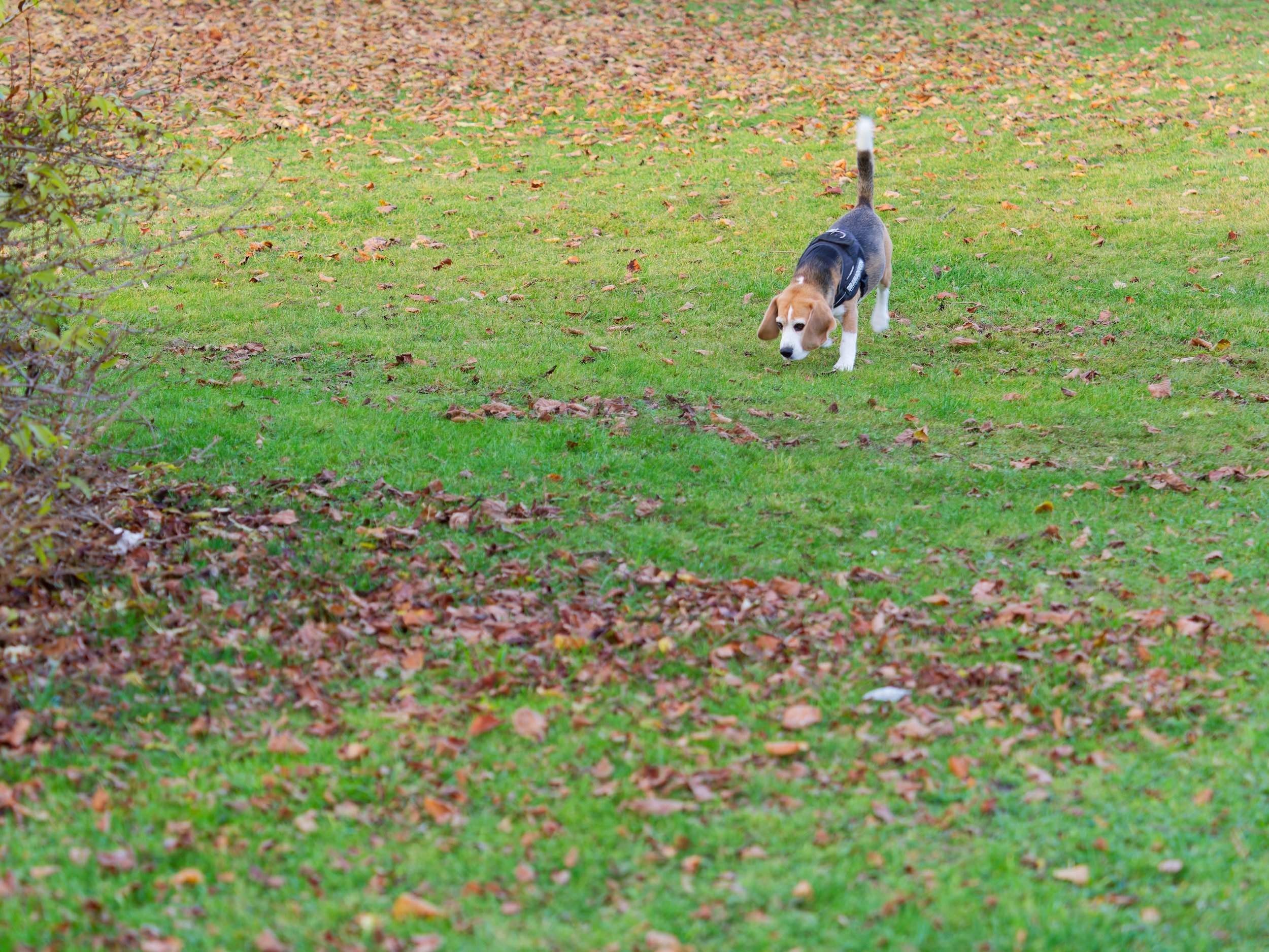
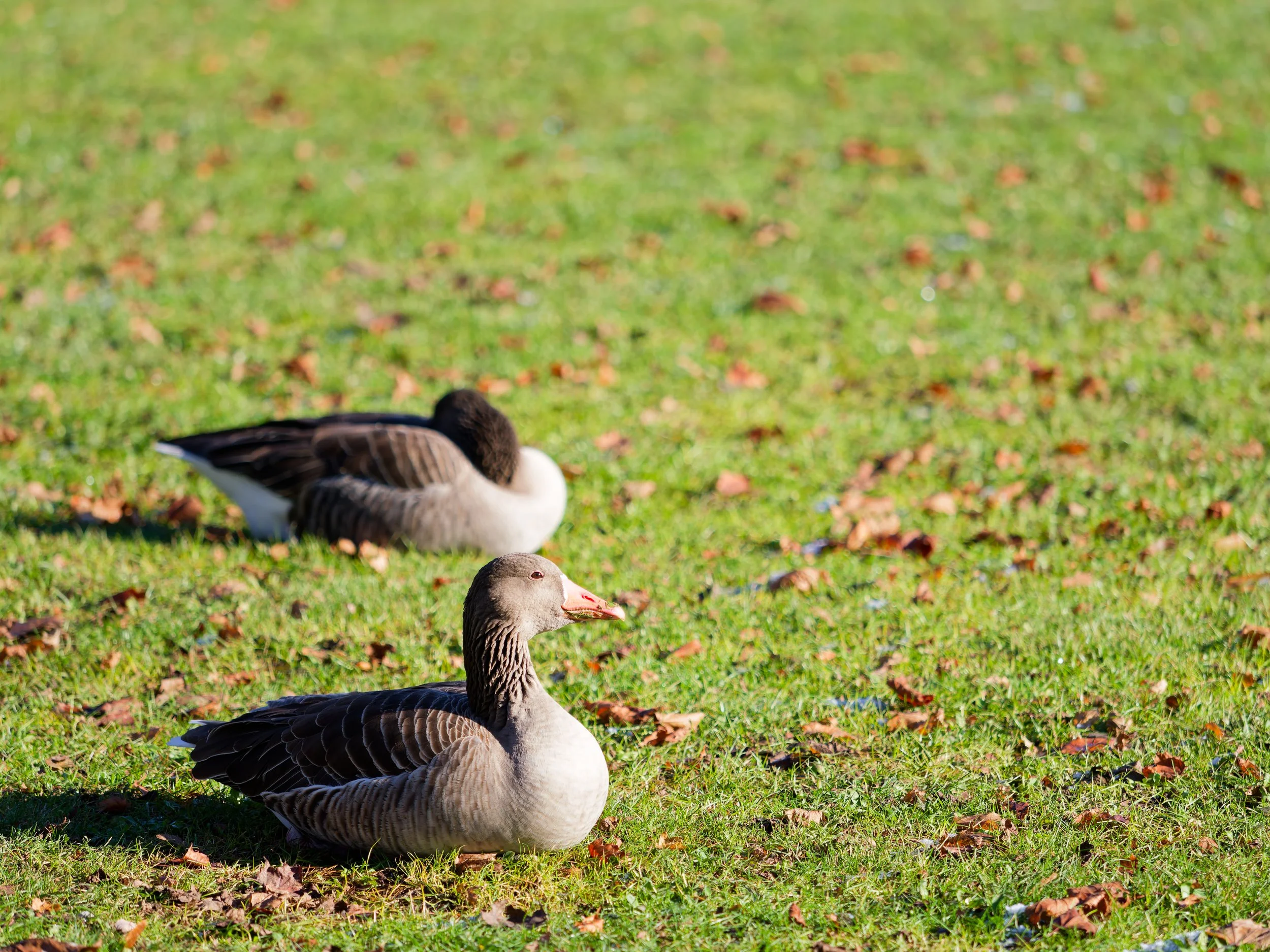
Coming from Fujifilm medium format where AF is… let’s call it “contemplative”, the OM-3 felt supersonic. In decent light it’s near-instant. In very low light (U-Bahn tunnels, autumn evenings) there’s occasional hunting, but hit rate stays excellent. I I shot my beagle sprinting through wet grass, kids running in the Englischer Garten, cyclists along the Isar, Canada geese taking off from Westpark lake: easily 85–90 % keepers. Subject detection (human, animals, cars, bikes, planes) works well but you still have to manually select the type in the menu. I’m eagerly awaiting an update that makes it automatic.
Stabilisation: 7.5 stops, and I felt every single one
Rated 7.5 stops with Sync-IS. In practice I regularly got razor-sharp images at 1/4 s, 1/3 s, even 1/2 s in High Res mode on the subway. It’s insane. At 40 mm (80 mm full-frame equiv.) I shot the Munich city hall façade handheld at 1 second in Live View with zero motion blur. Combined with the constant f/2.8 lenses, this stabilisation lets you stay under ISO 2000 most of the time even in really grim light.
Noise: the unvarnished truth
Yes, the 20 Mpx sensor hits its limits above ISO 6400. At 12 800 noise gets loud, colours bleed, fine detail melts. At 25 600 and beyond it’s mush. But thanks to the stabilisation and current denoising tools (DXO Photolab 9 PureRAW, Topaz Photo AI, Lightroom Denoise) I almost never needed to go above ISO 3200, even in the darkest subway stations (Münchner Freiheit and its blue lights). And when I did, the result after processing was perfectly usable at A3.
So no, the OM-3 isn’t made for flash-less metal concerts or deep-sky astro without a tracker. But for 95 % of real situations a “normal” photographer faces, it’s more than enough.
Printing: the great equaliser
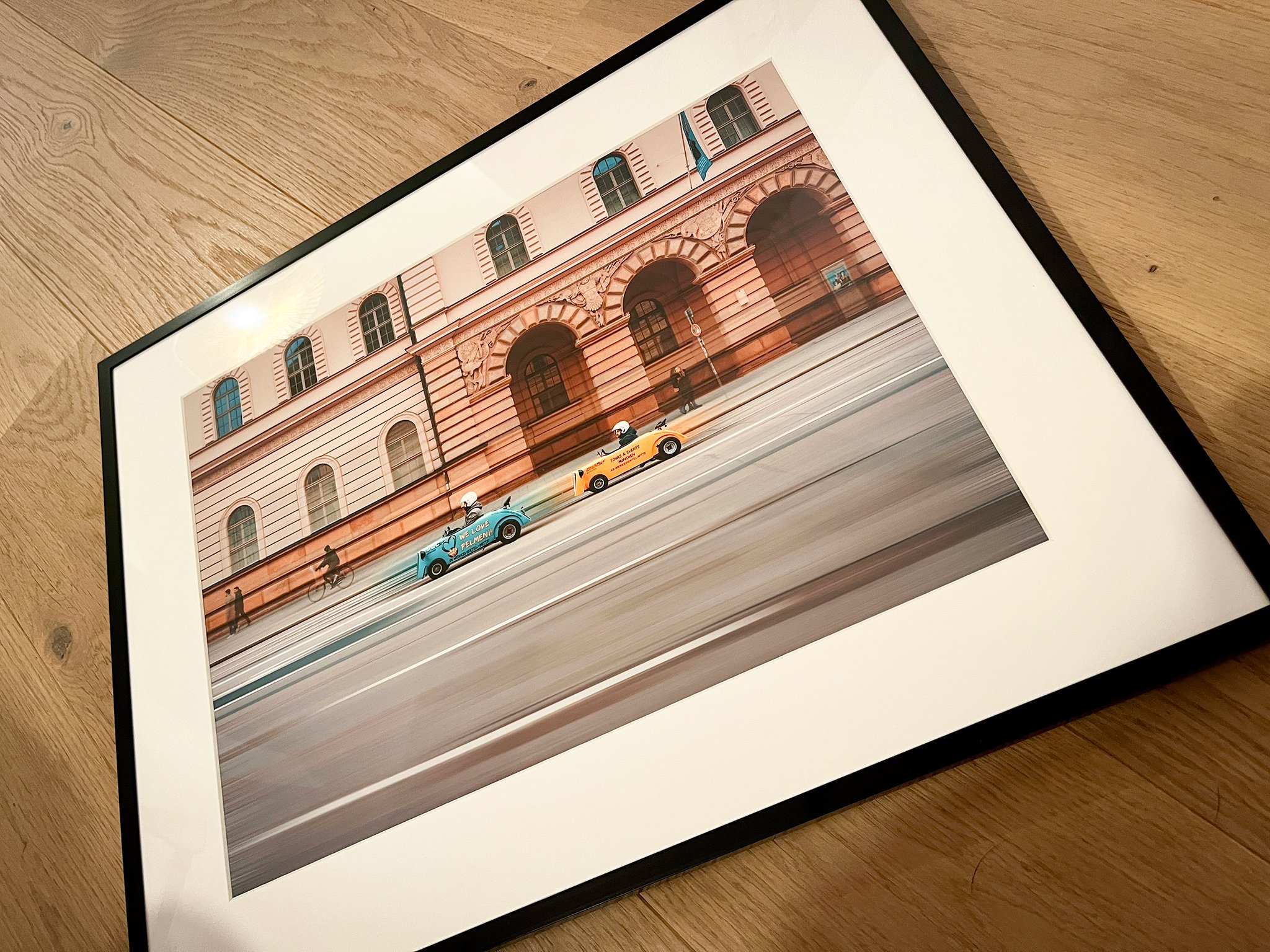
And then there’s that moment when you pull out the prints, lay an A3 on the coffee table and step back two metres. That’s when the entire debate about sensor size, ISO 12 800 noise or the “lack of substance” in 20 Mpx gets a massive reality check. Because on paper, at normal viewing distance, the OM-3 doesn’t ask permission from anyone. The handheld 50 Mpx files hold A3 as if they were shot on medium format in perfect conditions: micro-contrast, smooth transitions, detail right to the edges, none of that plastic or over-sharpened digital look you sometimes get from stressed small sensors. I hung an A3+ print from an OM-3 50 Mpx RAW (just DXO denoised, nothing else) next to one from the GFX100S II at ISO 800. My wife, who sees prints all year round, took a good twenty seconds to pick the “right” one—and got one wrong. On screen at 200 % the difference is obvious, of course. On Instagram you like or scroll. But on paper, at human scale, the gap shrinks to almost nothing. And I challenge anyone: come over for a coffee, look at the prints on my wall, and tell me honestly which one is from the OM-3 and which from a bigger sensor. You’ll hesitate. A lot. Because printing is the great equaliser: it forgives a lot, reveals what matters, and reminds us that photos aren’t meant to be judged with your nose on the pixels, but at the size you actually look at them. On paper the OM-3 doesn’t say “small sensor.” It just says beautiful images. Period.
Computational modes: where the OM-3 truly stands apart Live ND
ND filters that no longer take up bag space
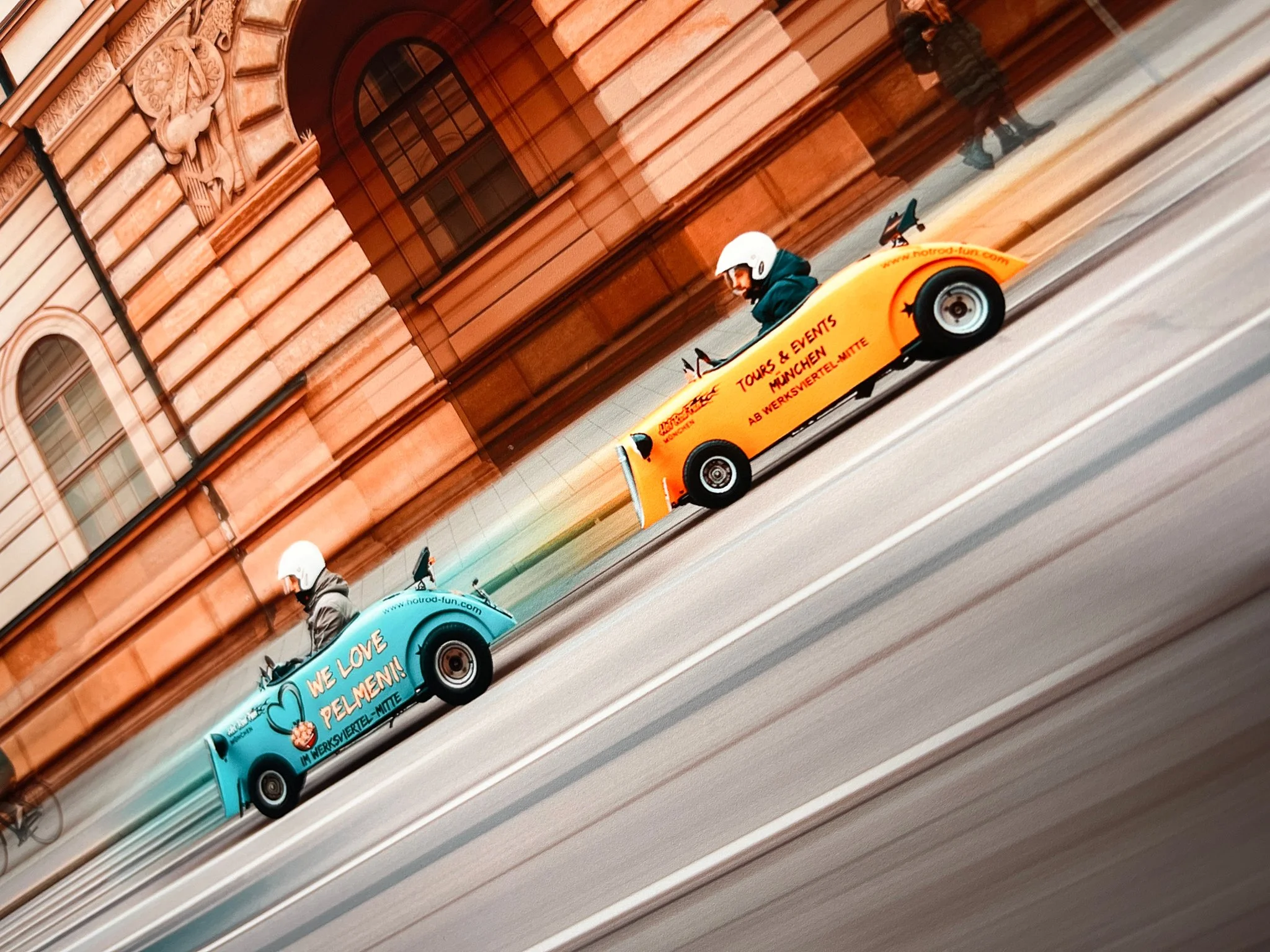
Up to ND64 (6 stops). The camera fires an ultra-fast burst, merges the frames and hands you a silky water or streaking clouds shot without screwing on a single filter. On a still-bright day at the Eisbach in the Englischer Garten I would normally have pulled out the LEE filter holder, screwed in an ND1000, fought stray light. Instead: flip the CP lever, pick ND16, shoot. Three seconds later: perfect silk effect, rocks tack-sharp, zero chromatic aberration. Repeated the experiment at Westpark waterfalls, clouds racing over the Frauenkirche… works every single time. For 2–10 second exposures it’s perfect. For five minutes at noon you still need a real ND1000, but for 90 % of my outings my rectangular filters are staying in the cupboard.
Handheld 50 Mpx High Res – my absolute favourite feature
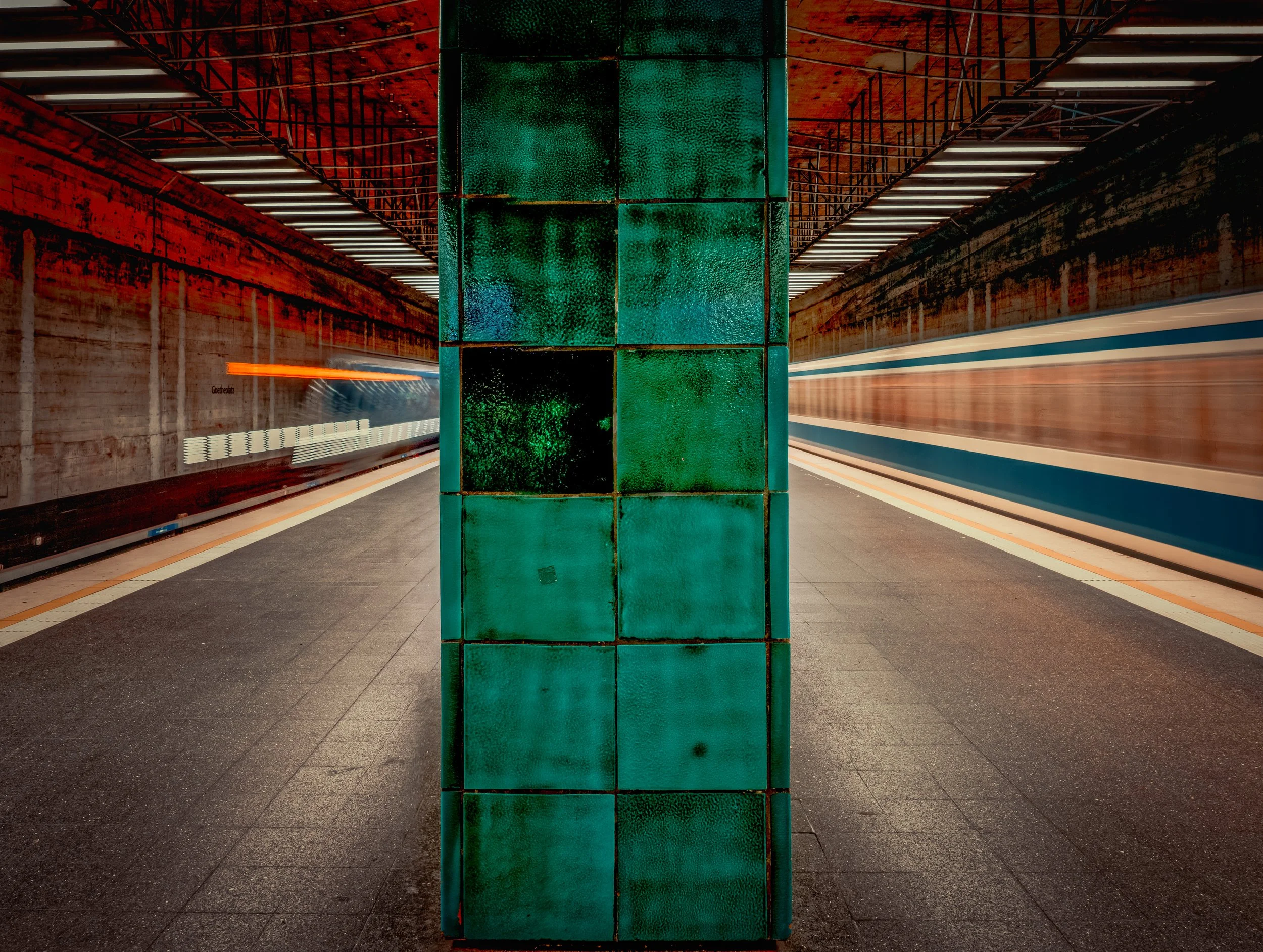
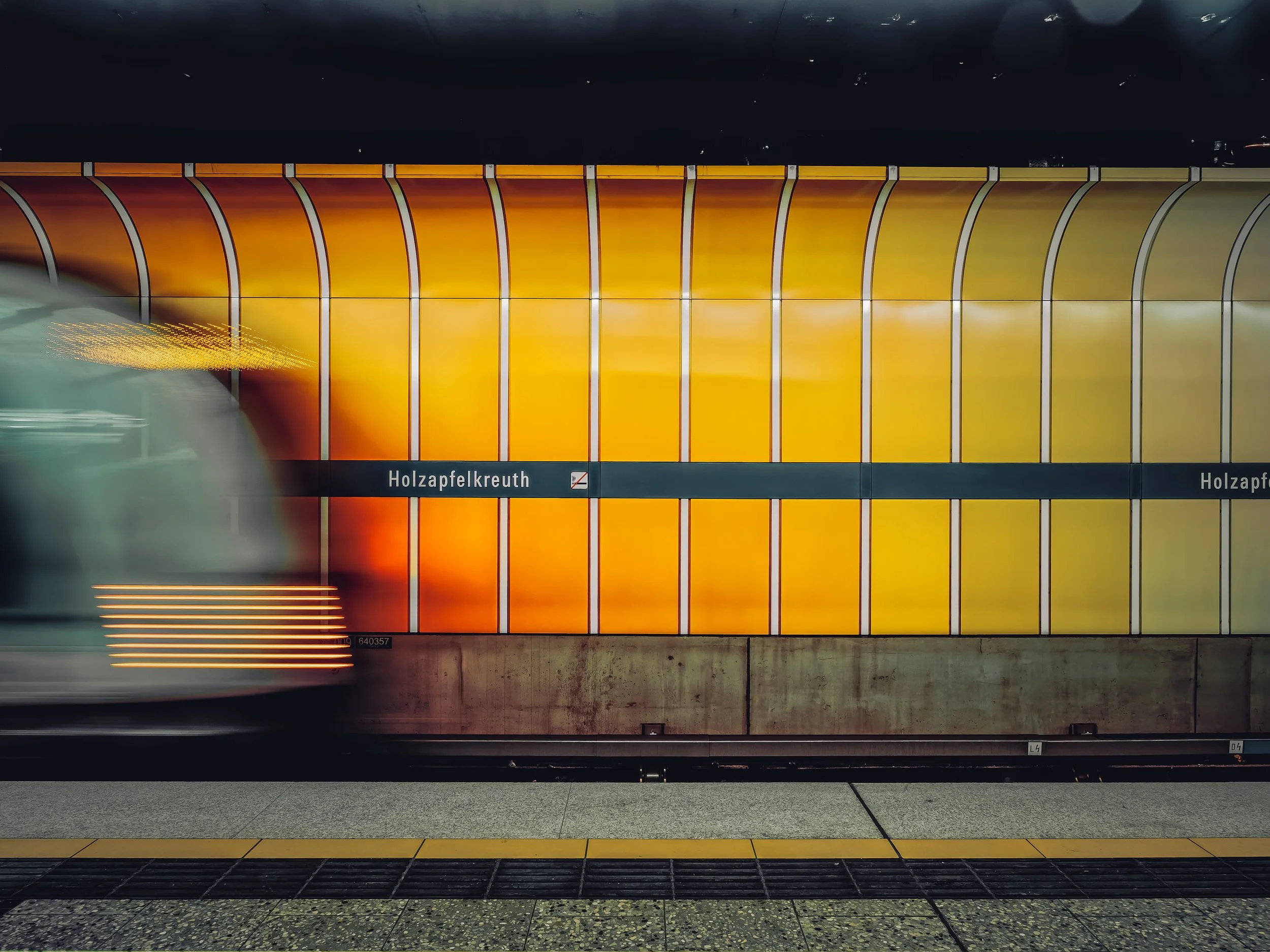
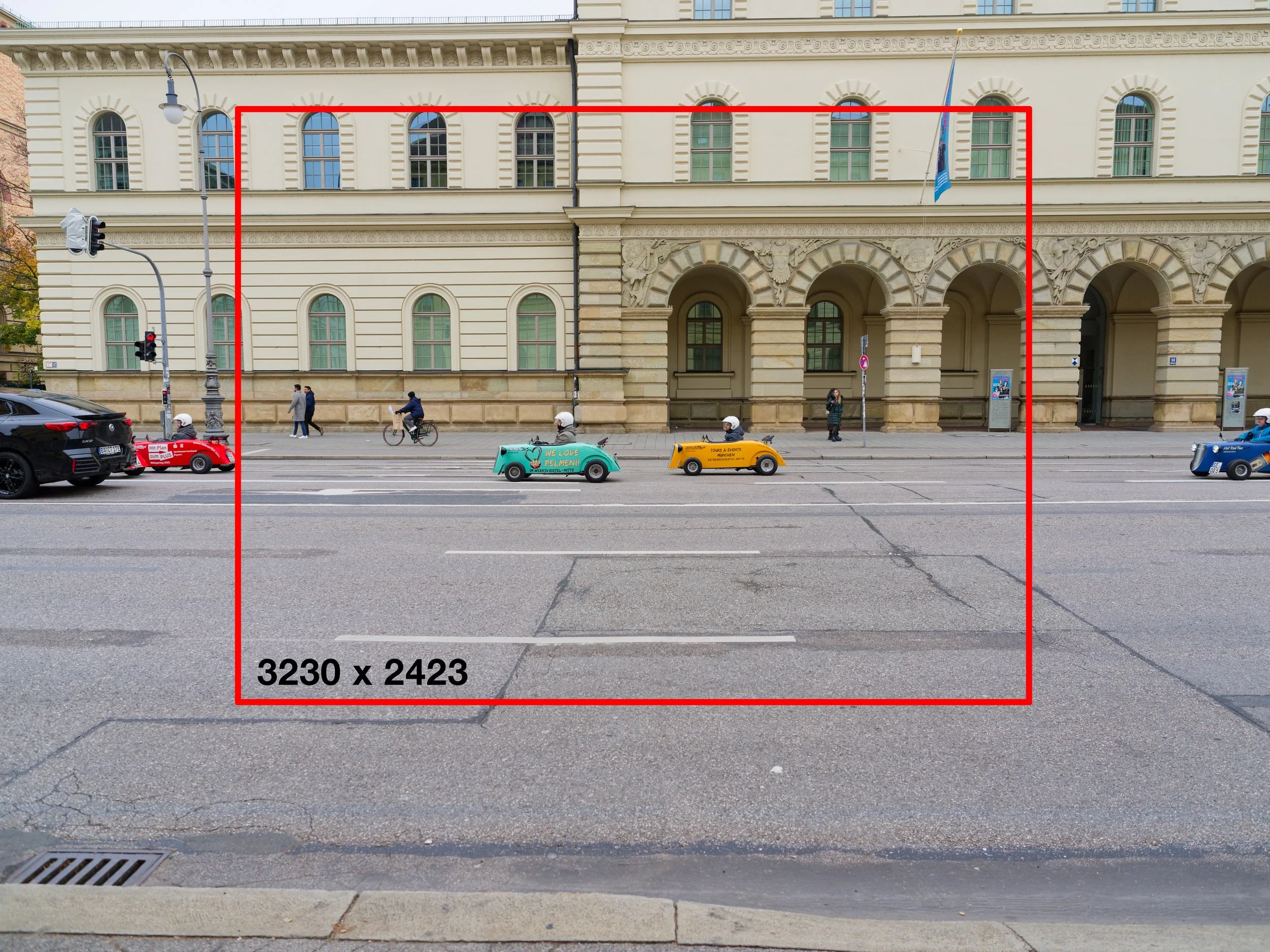
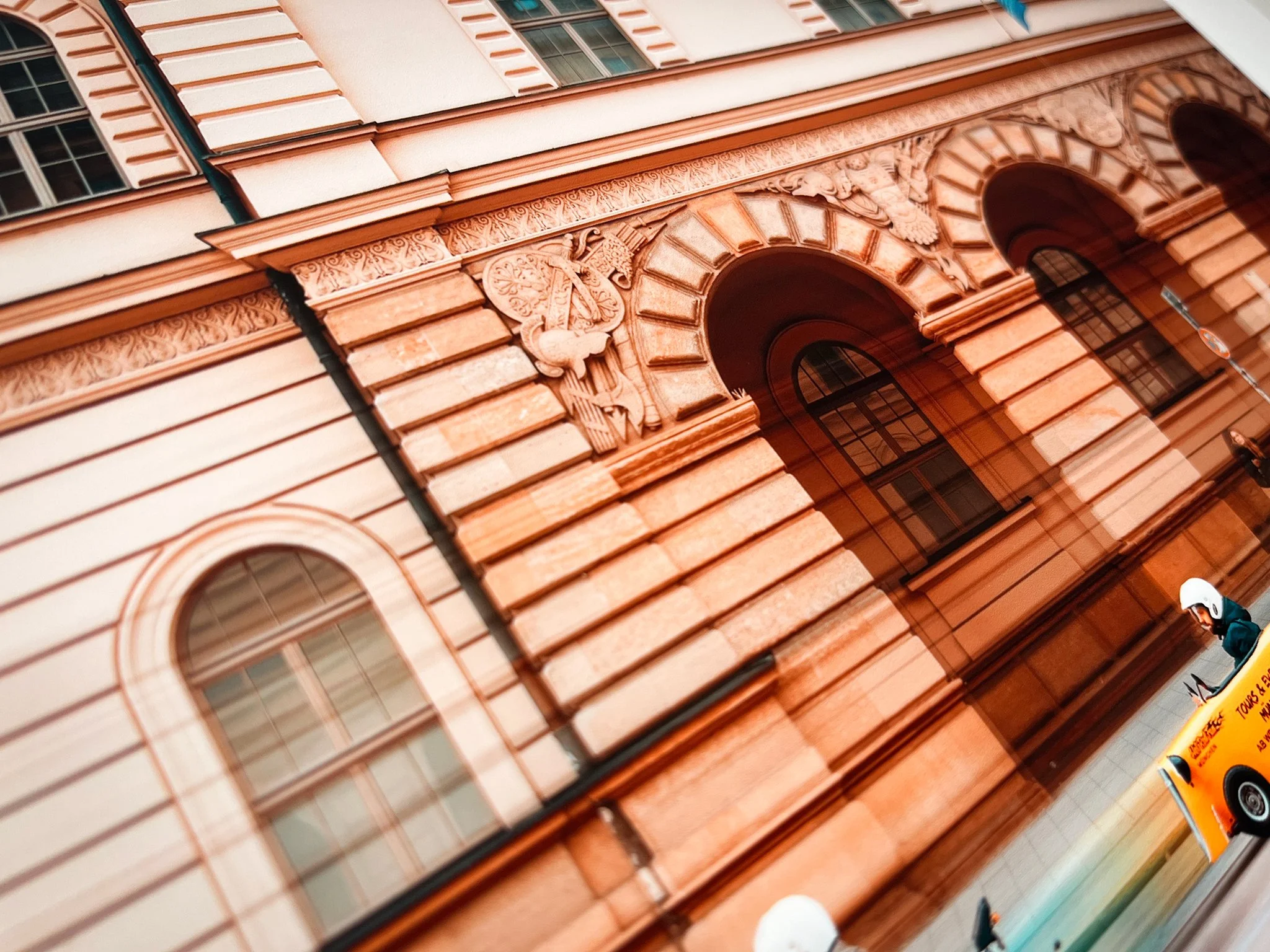
The one feature that alone justifies the purchase for me. The camera takes 8 or 16 frames, shifts the sensor a few micrometres, merges everything into a 50 Mpx RAW (80 Mpx on tripod). Handheld. I spent hours in Munich subway stations shooting architecture under horrible artificial light: Marienplatz with its electric blue tiles, Münchner Freiheit concrete curves, Westfriedhof apocalyptic neon tubes, Olympiazentrum dizzying perspectives. ISO 1600–3200, f/4–5.6, 1/4–1/6 s, 50 Mpx. The files are surgically sharp: every tile joint, every reflection, every advert text readable at 100 %. After DXO denoising they hold their own against my GFX100S II shot in ideal conditions. Limits: the subject has to stay mostly static for the ~2 seconds of capture (no fast-walking passers-by), and the RAWs are 80–120 MB each. But for architecture, urban landscape, museums, interiors, still life: it’s an absolute revolution.
The other modes (Focus Stacking, Live Composite, Live GND, multiple exposure) all look extremely promising, but I never had the perfect subject at the perfect moment.
25mm, f/8, 1.6 sec, ISO 80, ND32
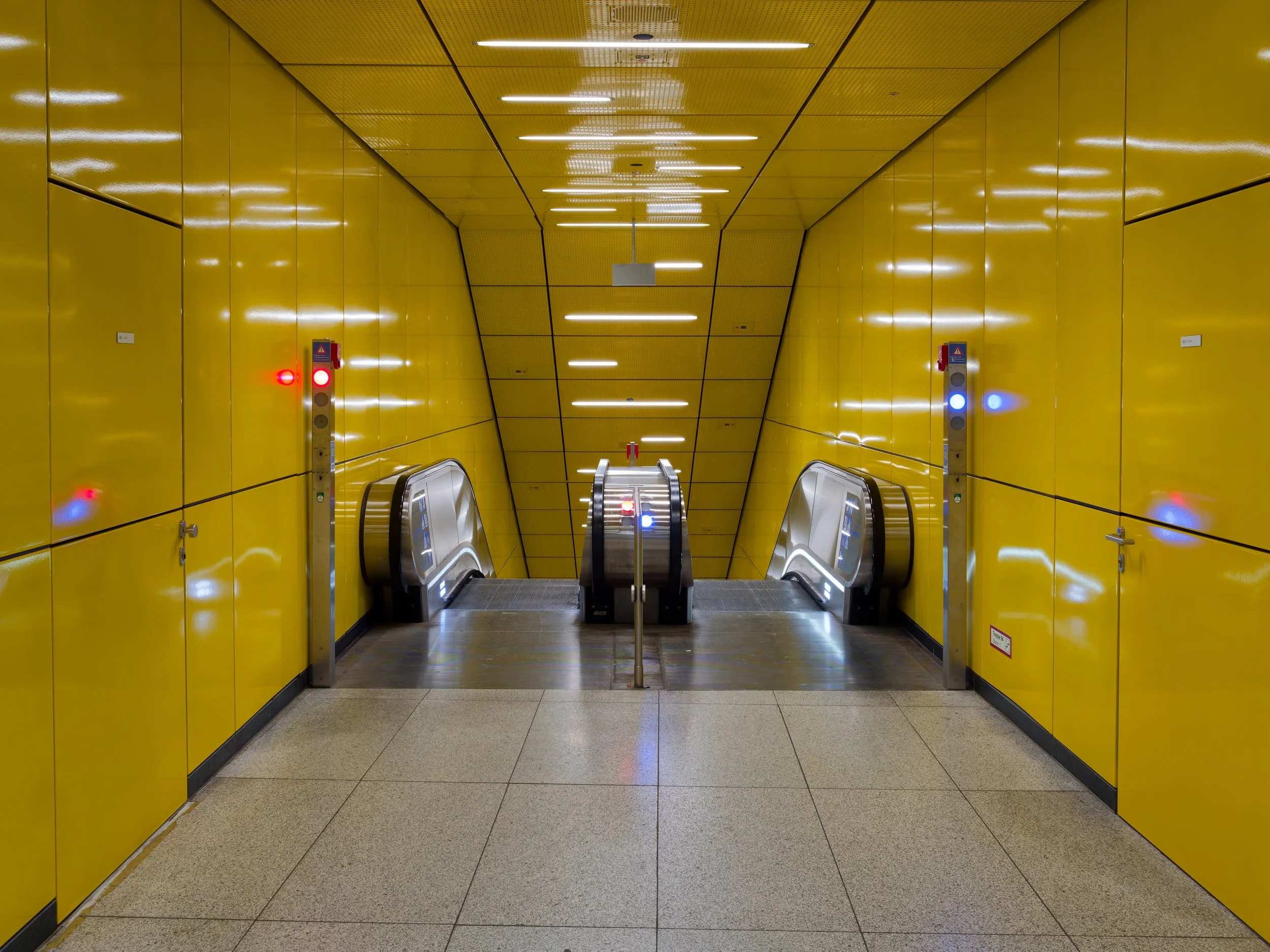
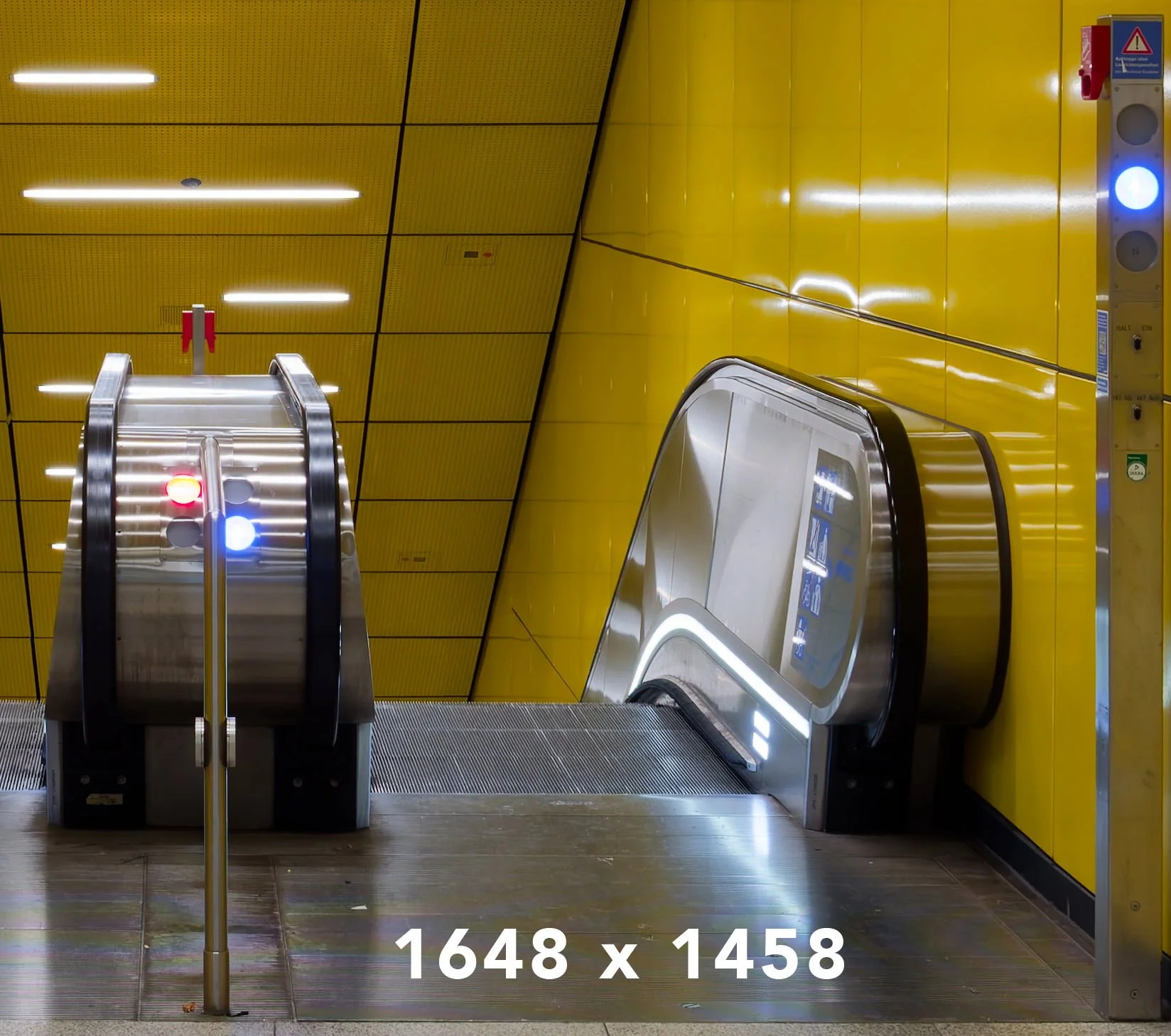
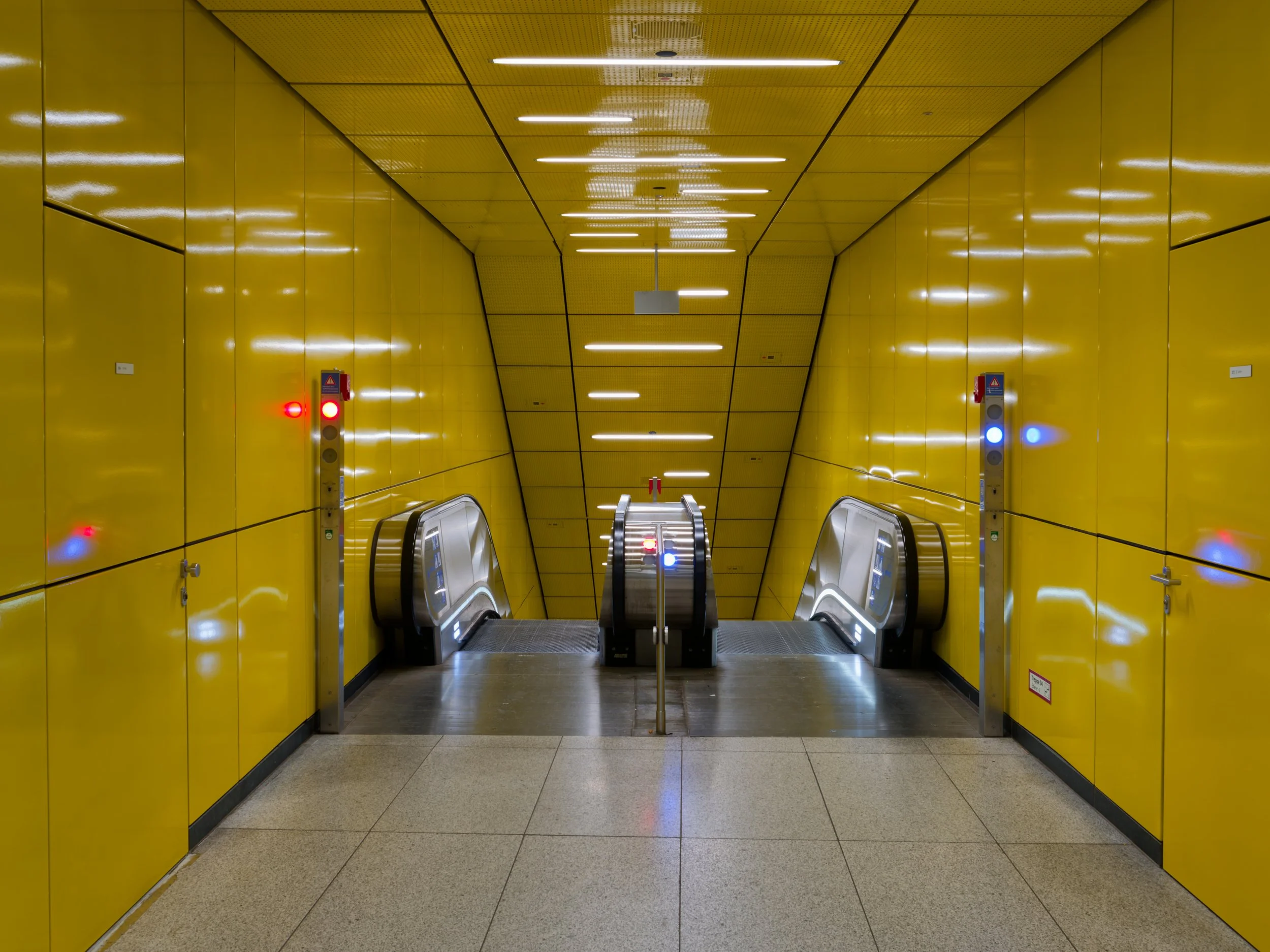
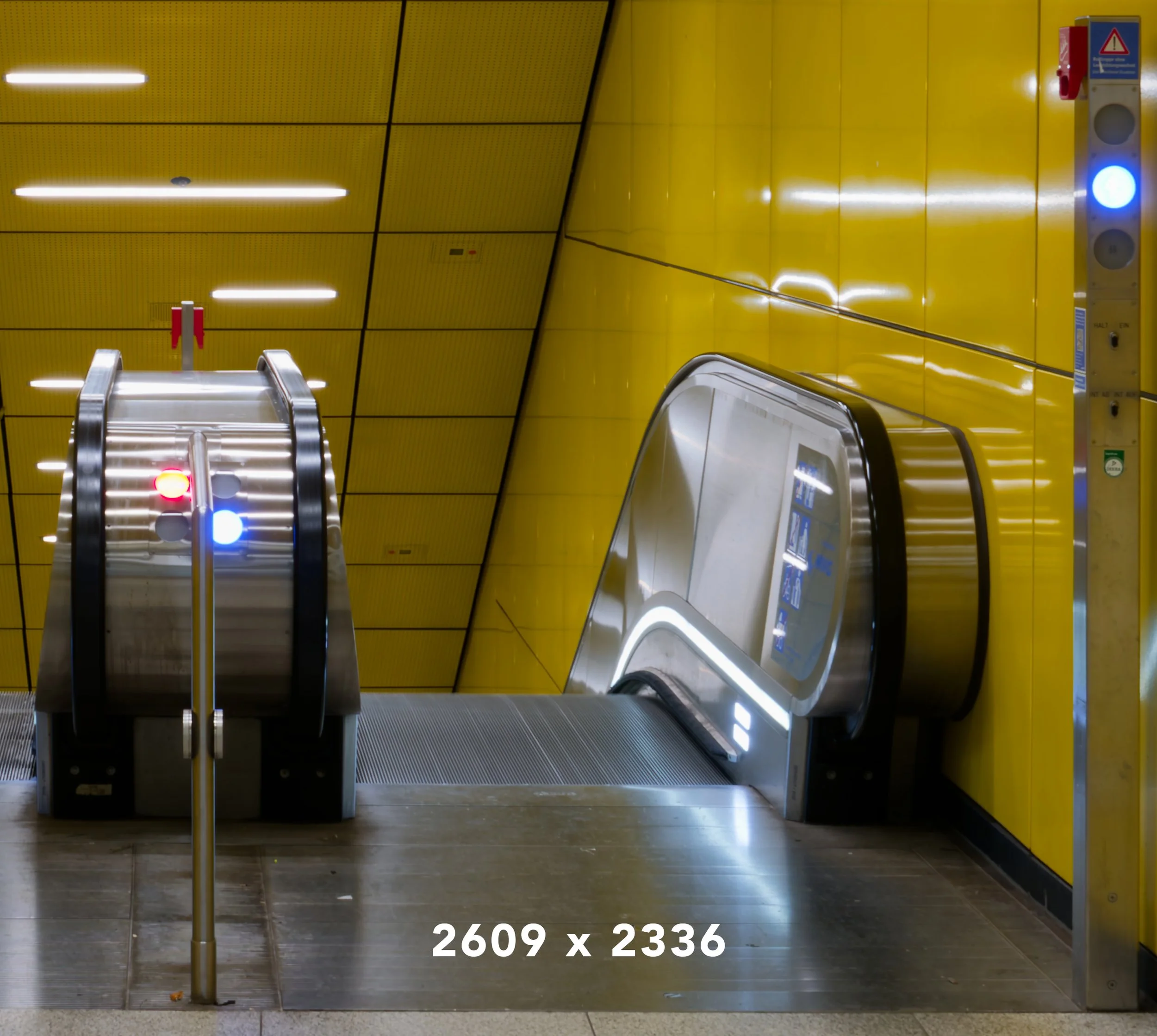
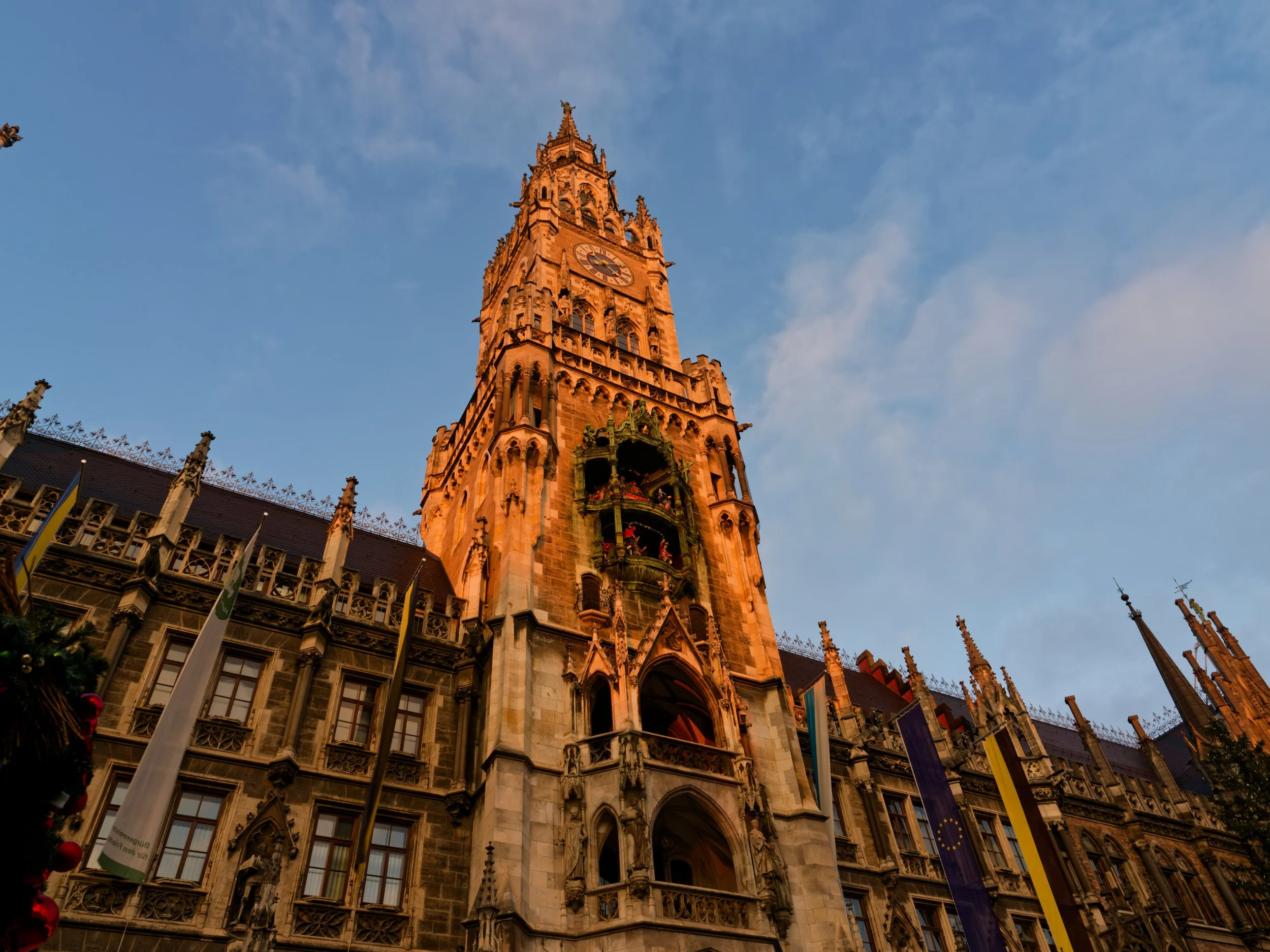
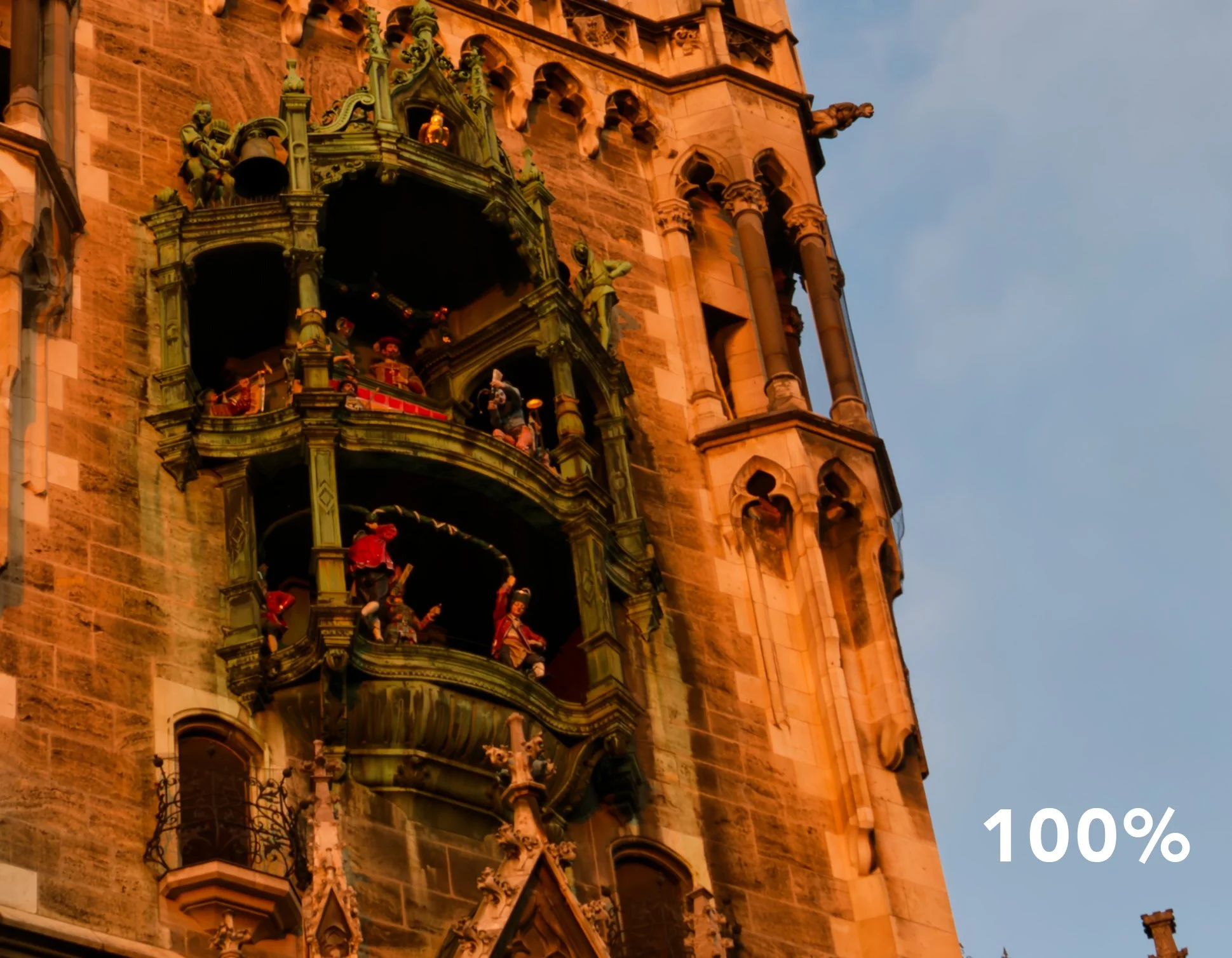
HD Mode Handheld
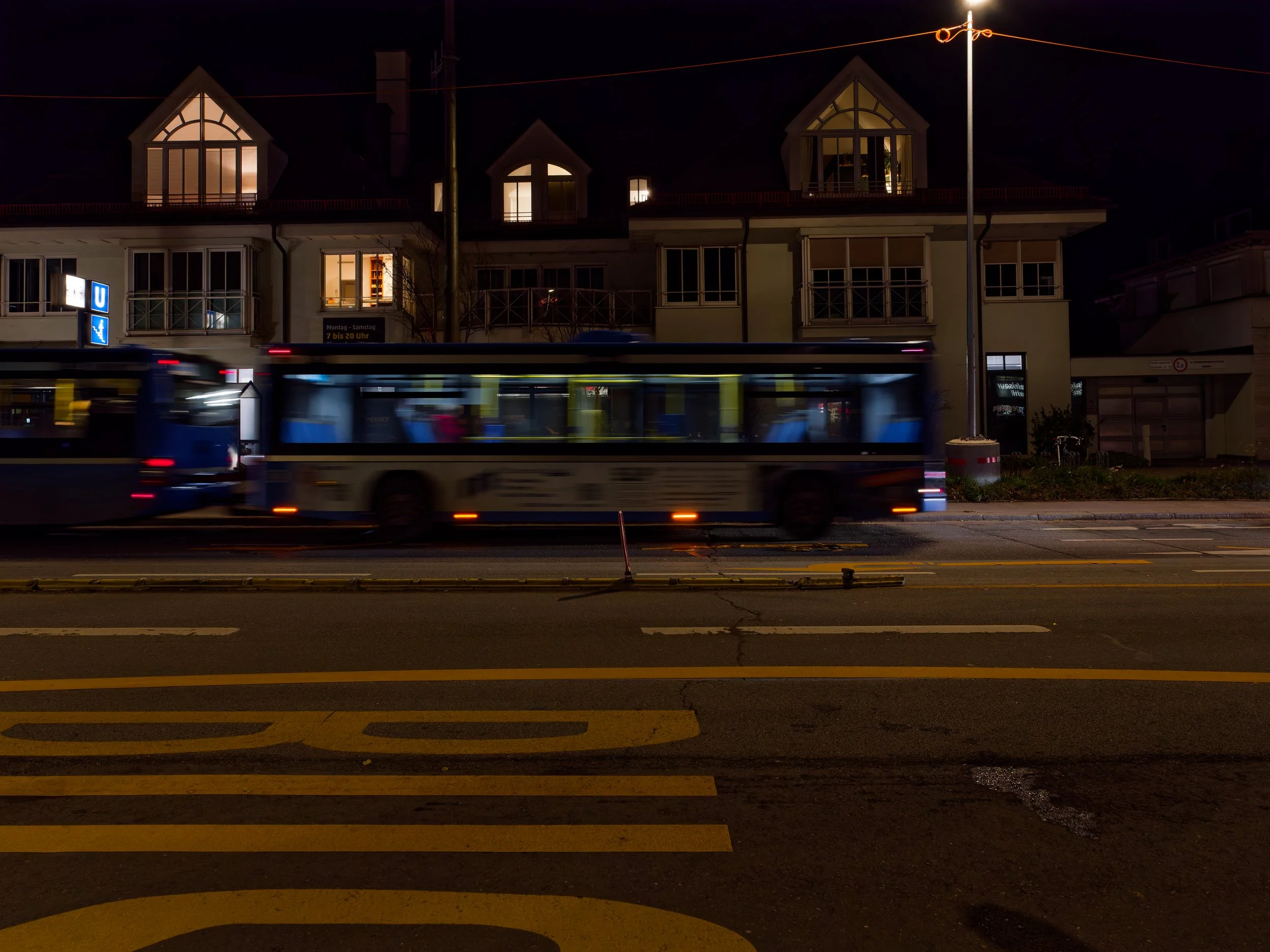
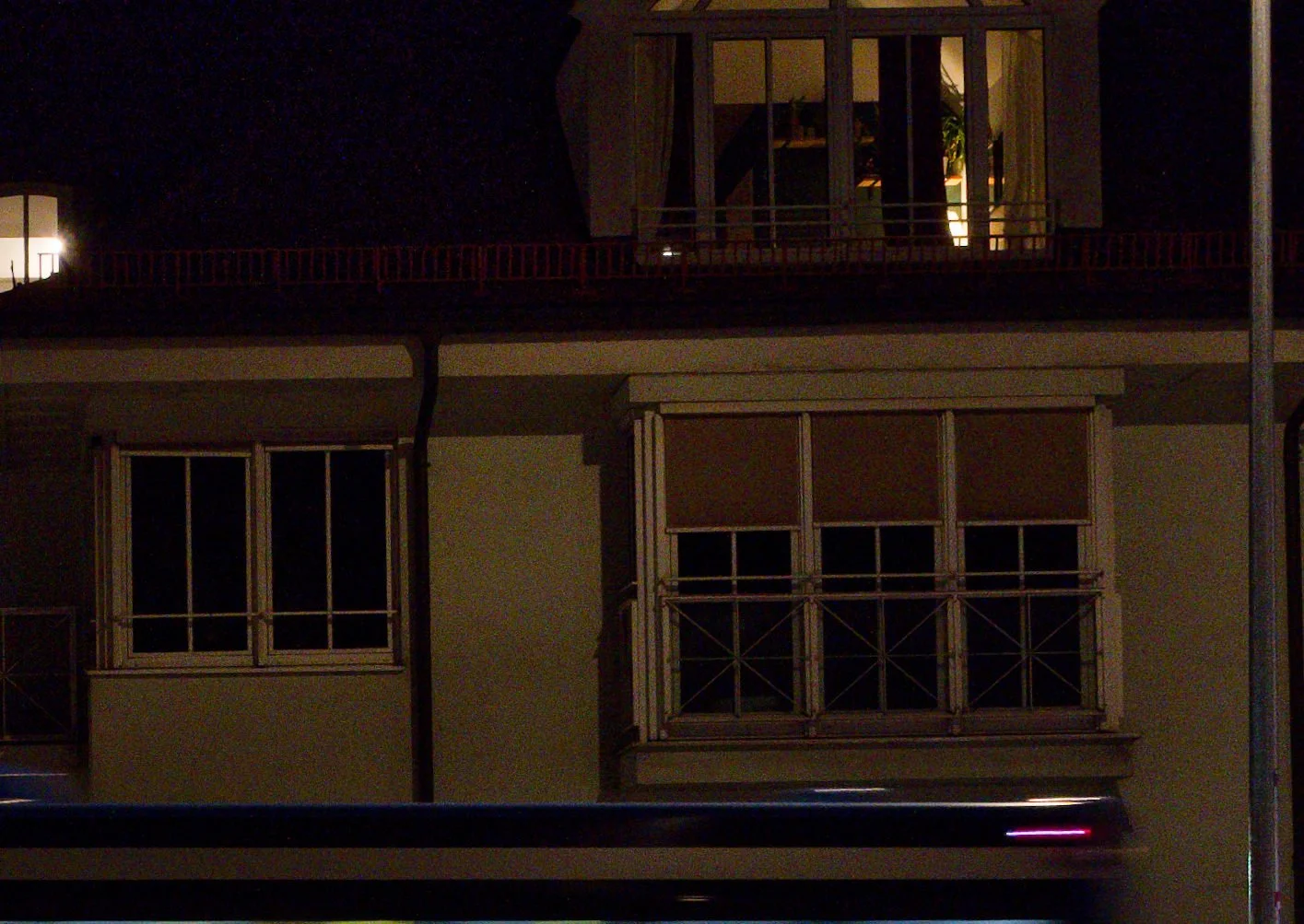
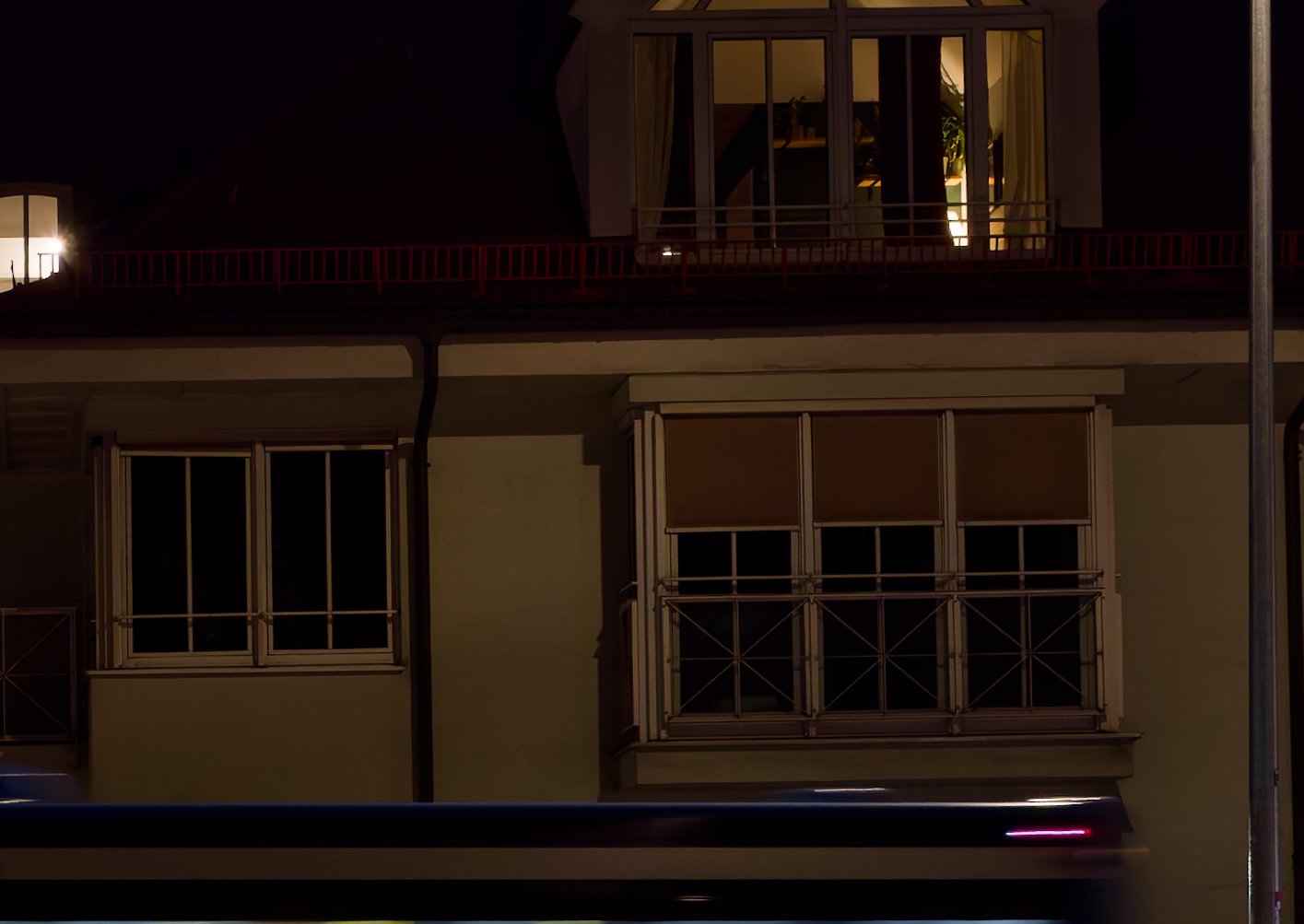
OOC vs Post DXO Photolab 9
The two PRO lenses: top-tier, period
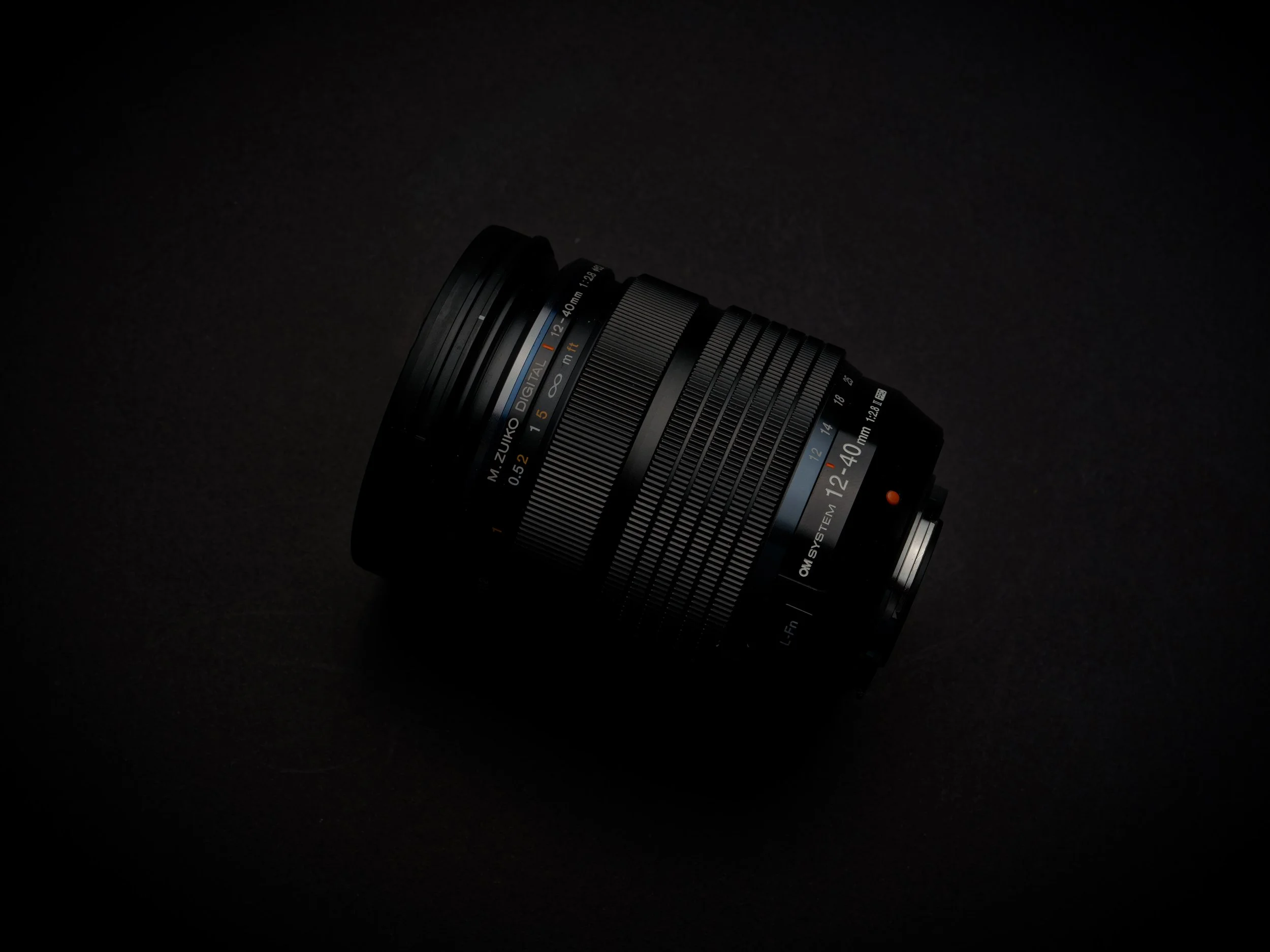
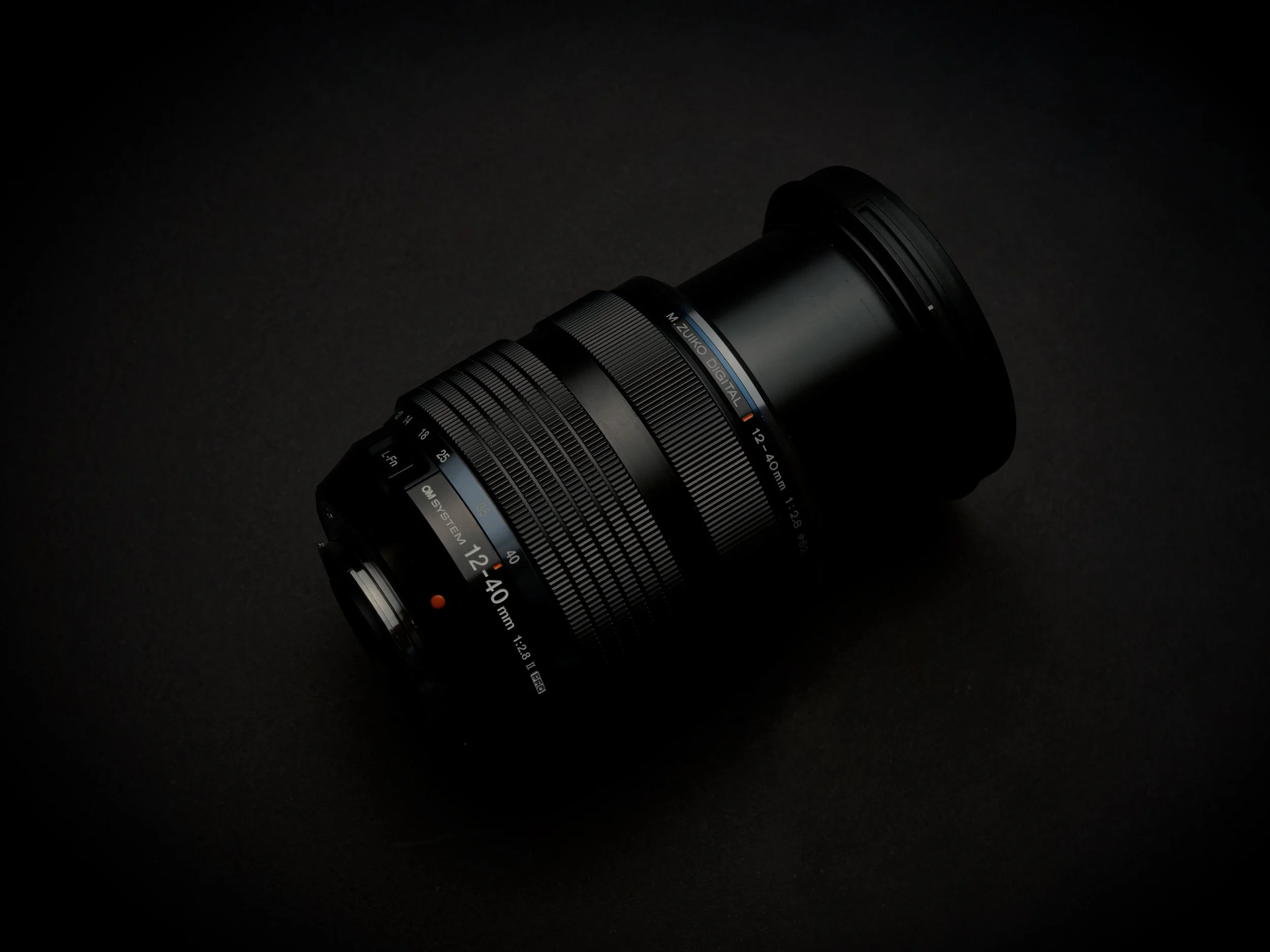
M.Zuiko 12-40 mm f/2.8 PRO II – the Swiss Army lens I never took off
Full-frame equiv. 24-80 mm. Stayed on 80 % of the time. Exceptional sharpness from f/2.8 in the centre, very good edges, outstanding at f/4–5.6, virtually no chromatic aberration even under purple subway neon, distortion beautifully corrected. In 50 Mpx mode it holds up right to the corners. Bokeh is smooth (obviously limited by the sensor), AF instant, fully weather-sealed. 382 g. The perfect lens for 90 % of situations.
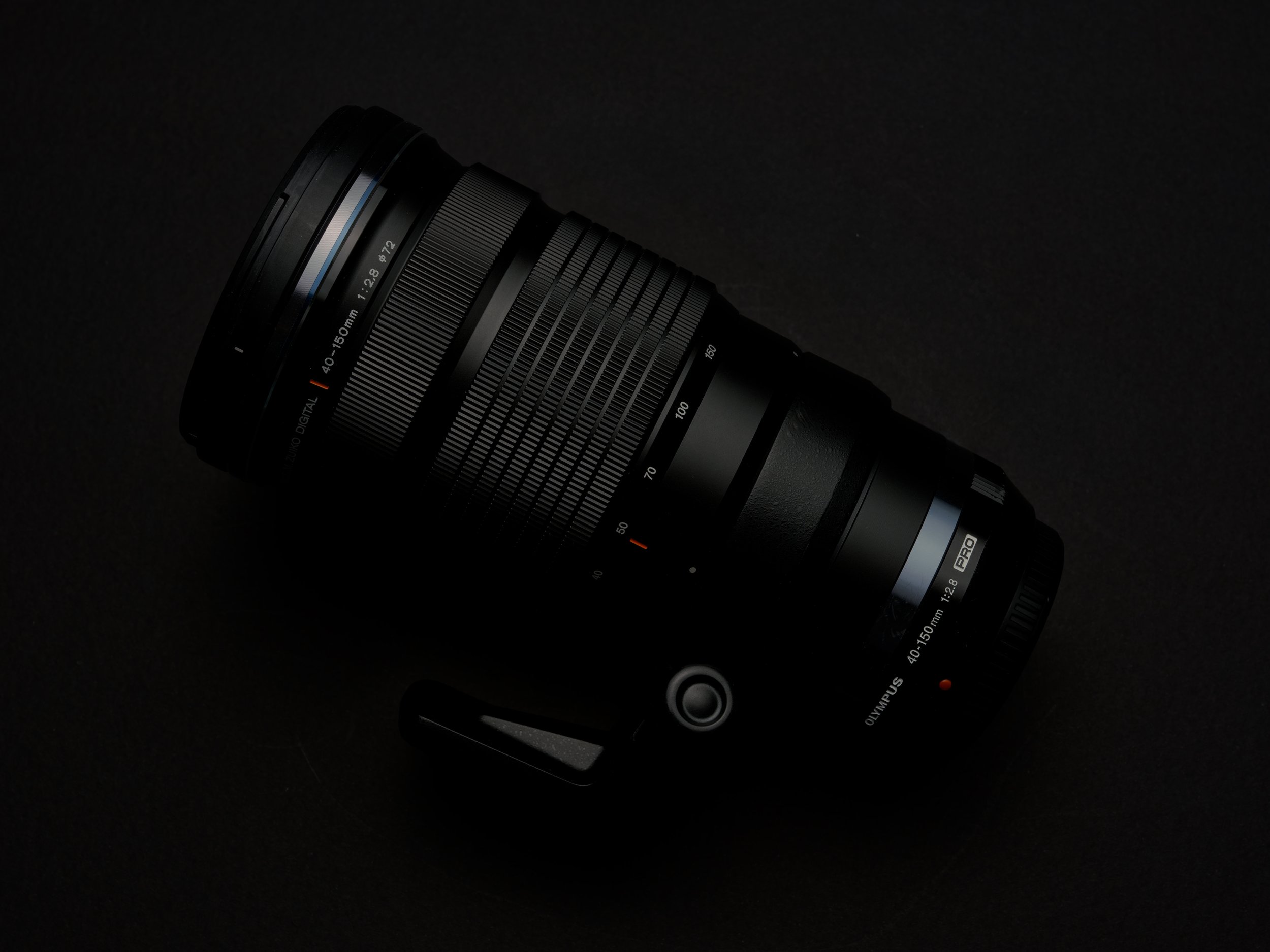
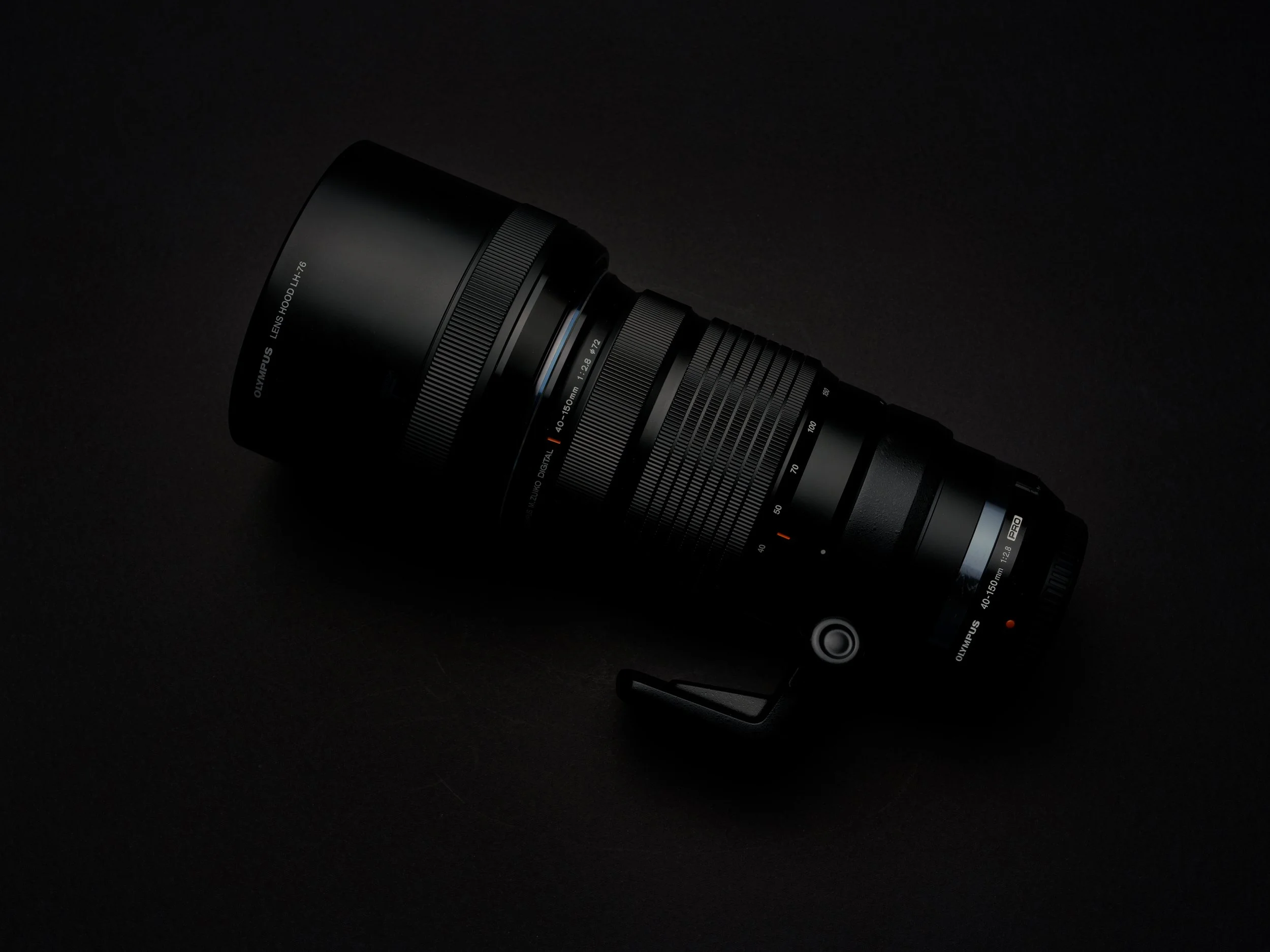
M.Zuiko 40-150 mm f/2.8 PRO – the tele that laughs at physics
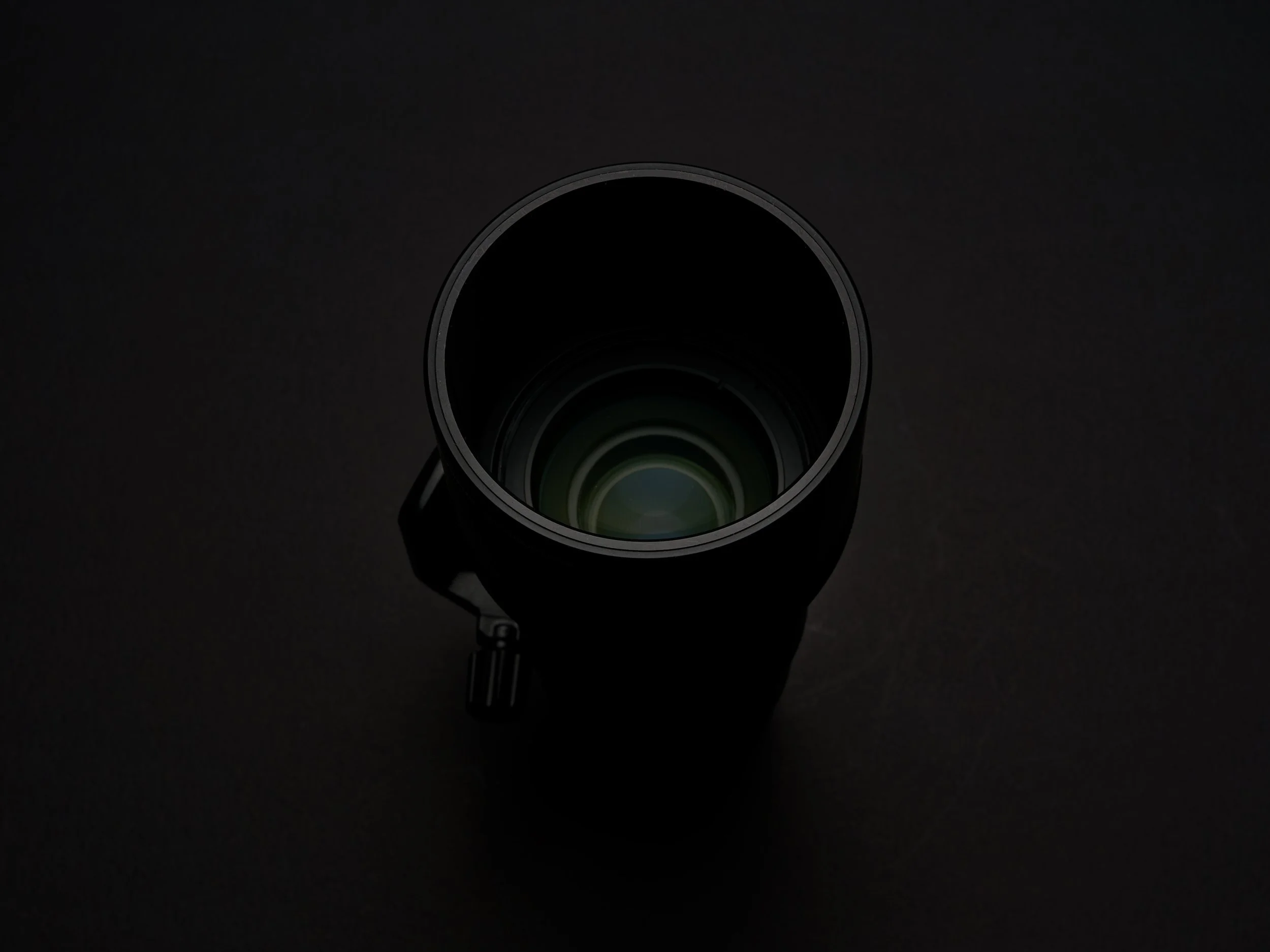
Full-frame equiv. 80-300 mm f/2.8 constant in 760 g and 16 cm long. Almost indecent. Razor sharpness wide open, finally convincing bokeh from 100–150 mm, lightning-fast AF, stabilisation that allows 1/10 s at 150 mm handheld. I tracked cyclists along the Isar and geese taking off with over 80 % hit rate at 20 fps. The lens that made me regret not switching to the system earlier.
Verdict: who is it really for in 2025?
The OM-3 isn’t perfect. It has objective limits:
Average high-ISO noise performance
Depth of field equivalent to f/5.6 full-frame with f/2.8 lenses
Annoying left-side power switch
Viewfinder a step behind at 2.34 m dots
But it offers an experience no other current system delivers at this weight and price:
24-300 mm f/2.8 constant + body under 1.8 kg
Handheld 50 Mpx usable for large prints
Built-in ND filters
Stabilisation that gives you 1/4 s on the subway
Unmatched reactivity and discretion
Perfect for the urban photographer, traveller, hiker, light reporter, second body to a heavy system, or creative who loves to experiment without lugging gear.
Not for the extreme bokeh hunter or the ISO 25 600 warrior.
Conclusion: the OM-3, or how you suddenly dream of a third camera
When I closed the box and sent the OM-3 back to OM System, I found myself staring at the empty shelf for a few seconds, as if something was already missing. Three weeks isn’t much, yet this little body managed to worm its way deep into my daily routine.
My Fujifilm GFX remains the king for anything professional—exhibitions, books, big commissions. I’m a fan of the GFX line and I own it: when it comes to delivering maximum substance, smoothness and resolution, nothing touches it.
My current second body is also a Fujifilm (an APS-C I adore and take everywhere). It’s already much lighter and snappier than medium format and does a fantastic job day-to-day.
And yet… the OM-3 slipped into a slot I didn’t even know existed: the “even lighter, even more complete, even more creative” camera for when medium format is too much and even APS-C starts feeling heavy.
I’m thinking especially of family trips. Those weeks away with wife and kids, suitcase already bursting, 20 000 steps a day in an unknown city, chasing a five-year-old through a museum, and still wanting to bring back images you’re proud of. In those moments the GFX stays home (too big, too precious, too heavy). The APS-C sometimes comes… but not always, because even that with two or three lenses ends up weighing you down and eating space.
The OM-3 would simply have vanished into the diaper bag or the small hiking backpack. 500 g body, 1.3 kg with the two PRO zooms that cover 24-300 mm f/2.8 constant—weather-sealed, stabilised, capable of 50 Mpx handheld and silky water without filters… it’s almost too good to be true.
I’m not exaggerating when I say that of all the cameras I’ve handled in the last fifteen years (Canon 5D, Sony A7, Nikon Z, Leica Q, Fujifilm X and GFX…), the OM-3 is the one that gave me the hardest time. Not because it’s perfect (we’ve seen the flaws), but because it offers a radically different experience: photographic quality of life. It doesn’t try to beat the others on their turf; it simply changes the game.
Yes, I sent it back. But since then I’ve caught myself several times browsing used listings and kit prices for the 12-40 + 40-150 combo. And I already know that the day I need a camera for family travel without sacrificing image quality or turning myself into a Himalayan porter, the OM-3 or OM-1 Mk II (or its successor) will be right at the very top of the list. Way up there.
It’s the most liberating system I’ve ever held. And I mean that.
Because in the end, photography is also about being able to catch the light exactly when it appears, without ever having to say “I should have brought the camera.” And for those three weeks in Munich, the OM-3 made that sentence disappear from my head.
That’s probably the highest compliment I can pay it.